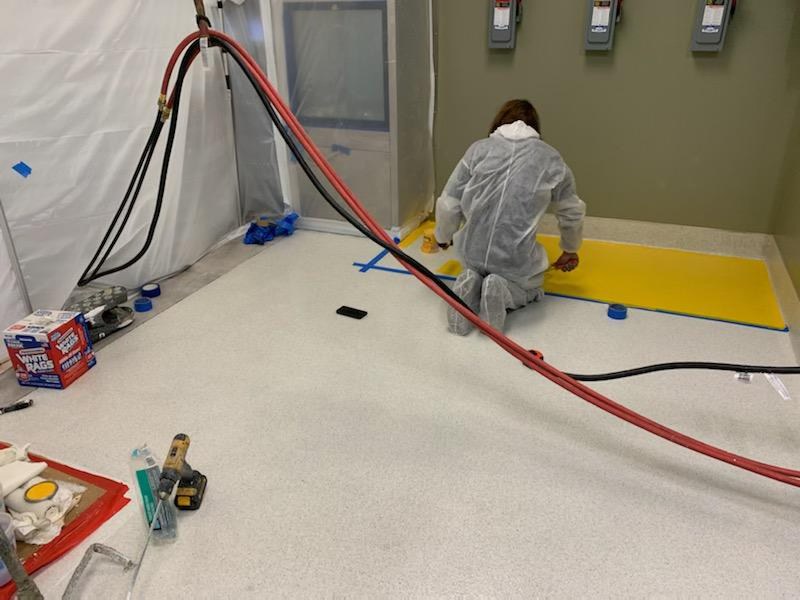
Concrete floor overlays in Colorado are a popular choice. They breathe new life into existing concrete floors in homes or businesses. Think basements, kitchens, and garages. Businesses use them in retail stores, offices, and restaurants.
Why are they so popular? They cost less than replacing a concrete floor. That’s a big deal. Plus, they change the look of a space. An overlay covers old, cracked, or stained concrete and creates a beautiful, lasting surface.
At RFE, we offer concrete overlay options to resurface and improve what you have. We can help you pick the right overlay to match your style and needs. A good overlay improves how the floor works, making it easier to clean and more resistant to wear. Who doesn’t want that?
Achieving a durable concrete overlay in Colorado begins with meticulous surface preparation. This involves thoroughly cleaning the existing concrete, repairing any cracks or damage, and profiling the surface to ensure proper adhesion. Neglecting this crucial step can lead to premature failure of the overlay.
Colorado's climate demands careful consideration of overlay materials. Opt for products specifically formulated for freeze-thaw cycles and temperature fluctuations. Polymer-modified overlays offer enhanced durability and resistance to cracking, making them ideal for the region's challenging conditions.
Successful concrete overlay installation hinges on following best practices. Apply the overlay in thin, even layers, allowing each layer to cure properly before proceeding. Consistent mixing ratios and proper curing techniques are essential for achieving a strong, long-lasting bond and preventing common issues like delamination.
What is a concrete floor overlay? It's a material layer applied to an existing concrete floor. Consider it a skin for your current floor.
Overlays consist of cement, polymers, and additives. This isn't paint. It bonds with the old concrete to create a new, lasting surface. The purpose? To fix damaged concrete without removal and replacement.
Many types exist. Some self-level, which smooths uneven floors. Others accept stamping or staining for decoration. Micro-toppings are thin overlays for a smooth finish. Your choice depends on your needs and desired look.
Why use an overlay? They hide cracks, stains, and flaws. They also strengthen your floor and resist wear. Extra durability matters for warehouses or auto shops. Homeowners can get a new floor without a big renovation.
Concrete floor overlays offer a great way to refresh existing concrete surfaces. They work well in Colorado's climate. Overlays offer a cost-effective way to resurface and improve your floors, instead of removing old concrete. For warehouse owners, facility managers, and homeowners, this means a lasting, attractive surface without the high cost of full replacement. Let's see why they're a great choice.
Concrete overlays handle heavy use and resist damage. This makes them good for busy areas like warehouses, stores, and garages. They use a mix of cement, polymers, and other things that make a stronger surface than regular concrete. This means your floors last longer, and you don't need to fix or replace them as often. Colorado's freeze-thaw cycles can hurt concrete. Overlays made with special ingredients can resist cracking from temperature changes. This is a big plus.
A big plus of concrete overlays is the many design choices they offer. You can pick from many colors, textures, and patterns to create a custom look for your space. You can create a modern or rustic look. Overlays can be changed to fit your vision. Staining, stamping, and polishing can make them look even better. You can get a unique floor.
Colorado's climate makes things hard for concrete surfaces. The freeze-thaw cycle can cause cracking. Also, a lot of UV light can fade colors and weaken the surface. Concrete overlays made for outside use can fight these things. This gives you a lasting option. Look for overlays with UV protection and freeze-thaw resistance for the best results in Colorado.
Overlays are cheaper than replacing a concrete floor. They install faster, which cuts down on labor costs and downtime. By resurfacing your concrete, you skip the cost of removing the old concrete. This makes overlays a good choice for businesses and homeowners who want to improve their floors without spending too much. Also, the long life of the overlay saves you money in the long run by cutting down on repairs and replacements.
Concrete overlays go right over existing concrete. You don't need a lot of prep work. This saves time and money. It also makes a smooth surface that is easy to clean. No joints or seams means less dirt and moisture. This makes for a cleaner, longer-lasting floor. This is key in places like hospitals and kitchens where being clean is very important.
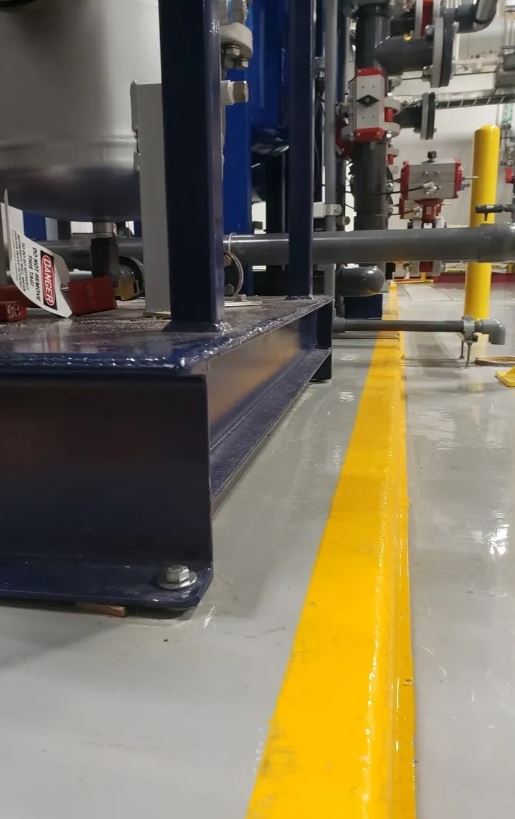
Want your concrete overlay to last in Colorado? A few things matter. First, surface prep is key. Don't put the overlay on just any concrete. The surface must be clean. Grind or shot blast it to remove coatings, dirt, or weak concrete. Without this step, the overlay won't bond. Cracks and delamination will appear.
Finally, curing matters. People forget this step! Don't just let it dry. Keep the overlay moist for a few days. This lets it fully hydrate and gain strength. Use wet burlap or a curing compound. If you skip this, your work is wasted. The overlay will dry too fast, and the surface will be weak.
Next, pick the right overlay. Many types exist, like self-leveling, micro-toppings, and stamped overlays. They have different properties and uses. Think about foot traffic, spills, and the look you want. Don't just buy the cheapest option.
Mixing and application require experience. Follow the maker's directions exactly. If the water-to-powder ratio is wrong, the overlay will be weak or crack. Apply it quickly and evenly.
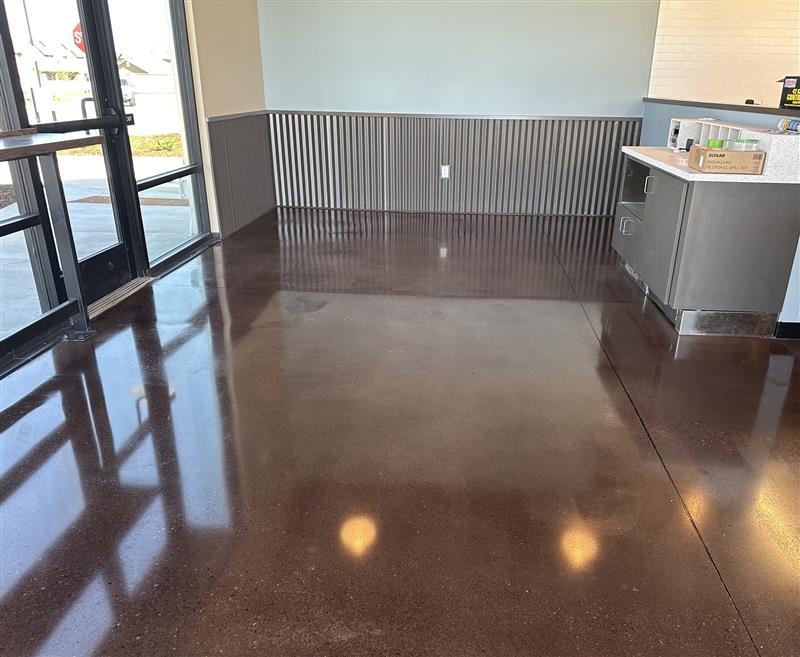
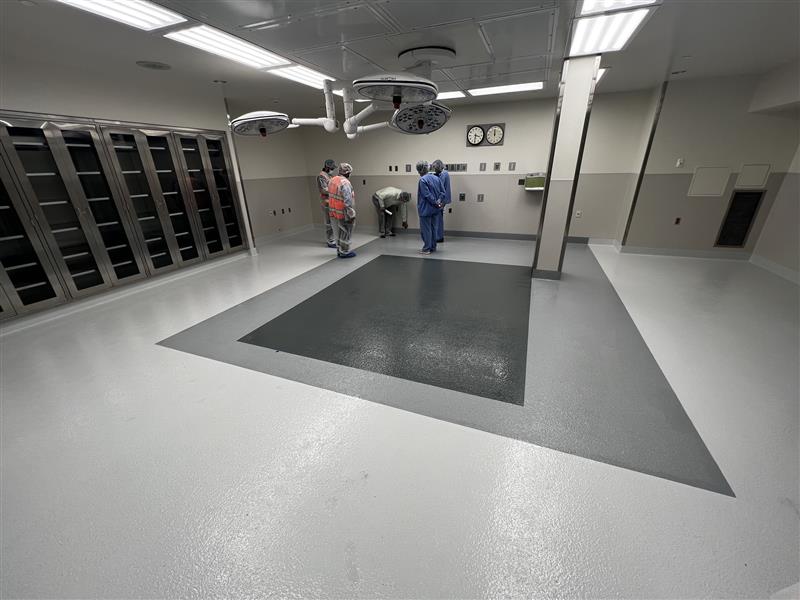
Want your concrete overlay to last in Colorado? It starts with preparing the existing concrete. Do not skip this step. Think of it this way: you're building on a foundation. If that foundation isn't solid, the whole thing will fail.
First, get the surface clean. Really clean. Remove all the dirt, oil, grease, and old coatings. Pressure washing is a good start, but you might need some degreasers for stubborn stains.
Next is profiling. Create a rough surface for the overlay to bond to. Grinding is a common method. Diamond grinders open up the concrete pores. Shot blasting is another option, especially for larger areas. Aim for a Concrete Surface Profile (CSP) of around 3-5. This gives the overlay something to grab onto. If you don't profile correctly, the overlay will peel off. That's not good.
Finally, address any cracks or imperfections in the existing concrete. Small cracks can be filled with a concrete patching compound. Larger cracks might need more extensive repairs. You might even need to route them out and fill them with epoxy. Ignoring these issues will cause them to show through the overlay. This ruins the look and could compromise its integrity. So, surface preparation is key. Do it right.
Thinking about a concrete overlay? Great. Know that different types exist, and your choice depends on your needs.
Micro-toppings are thin, like a skim coat. They work well to get a smooth, new surface if your concrete is a little rough or has minor issues. They are good for places that don't see heavy use.
Self-leveling overlays are thicker. They spread out and level themselves. Use these if the floor is uneven or you need to raise a floor's height. They work in commercial spaces that need a smooth surface.
Epoxy coatings are like tough paint. Epoxy makes a durable, chemical-resistant surface. Garages, workshops, and hospitals use these because they are tough and easy to clean. Note: epoxy costs more at the start.
Budget matters. Micro-toppings cost less than self-leveling or epoxy options. But you often get what you pay for. If you save now, you might redo it soon. Also, think about the look you want. Some overlays can be stained or stamped to look like tile or stone. Others look more industrial. Find the right balance between looks, durability, and cost.
Properly mixing and applying your concrete overlay is critical. You can't just slap it on and hope for the best, especially in Colorado where the climate is challenging. Temperature and humidity are huge factors. You need to be aware of how these things affect the overlay as it cures. If it is too hot, it might dry too fast and lead to cracks. If it is too humid, it might not cure properly.
Getting the mix right is the first step. Follow the manufacturer's instructions exactly. Don't guess! A consistent mix ensures consistent performance and appearance. Application thickness also matters. If you're aiming for a smooth, even surface, you need to apply the overlay uniformly. This is harder than it sounds.
This is where a skilled applicator shines. They understand the material, how it reacts to different conditions, and how to achieve that perfect, durable finish. A professional will also know how to prep the surface. That’s as important as the overlay itself. If the underlying concrete isn't properly cleaned and prepped, the overlay won't bond correctly, and you'll end up with delamination or other failures. It's an investment, but it’s cheaper than redoing the whole thing.
After you install your concrete overlay, curing is very important. You just laid this new surface, and now you must ensure it gets as strong and durable as possible. Curing helps you do that. It keeps the overlay moist, so the concrete can hydrate and gain strength.
You have a couple of options. Wet curing involves keeping the surface damp for days. You can mist it with water regularly or cover it with wet burlap or plastic sheeting. Prevent the surface from drying out too quickly, especially in Colorado's dry climate.
Another method uses curing compounds. You spray or roll these liquid products onto the overlay. They form a membrane that seals in the moisture. It's less work than wet curing, but choose a good quality compound and apply it evenly.
Why is curing so important? If the overlay dries out too fast, it can cause cracking, weakening, and other problems. You might end up with a surface that's not as strong or long-lasting as it should be. Warehouses, auto shops, and homeowners want that durable floor, so proper curing is a must. It is an investment in the life of your floor. Do not skip it!
Colorado's climate can cause problems for concrete overlay projects. Cracking, delamination (when the overlay separates from the original concrete), and discoloration can occur. Intense sun, freeze-thaw cycles, and alkaline soils all have an effect.
Cracking is a common issue. To prevent cracks, surface preparation is key. Clean the existing concrete, repair cracks, and ensure a strong bond. We use a bonding agent made for concrete overlays, which helps a lot. Also, use expansion joints to allow for movement and prevent stress that causes cracking.
What about delamination? This is often a surface preparation problem, or using the wrong overlay. Make sure the concrete has a rough surface for the overlay to grip. Choose a product made for exterior use if it's an outdoor project.
Discoloration can also happen. Sometimes it's from mixing the overlay material wrong, or moisture rising from below. Always follow the manufacturer's instructions when mixing. A moisture barrier beneath the slab can prevent discoloration from dampness. This is a good way to avoid an uneven finish.
Taking care of your concrete floor overlay helps it last. Think of it this way: you would wash and service a nice car, right? The same idea applies here.
Cleaning comes first. Sweep and mop with a neutral cleaner to keep dirt away. Don't use harsh chemicals or abrasive cleaners because they can hurt the surface.
Protective coatings help. A sealant or wax adds protection from scratches, stains, and wear. How often you reapply depends on floor traffic. For example, a garage floor needs more attention than a basement floor.
Prevent damage. Use mats or rugs where there is lots of foot traffic to cut down on wear. Also, use felt pads under furniture legs. They protect against scratches. Clean up spills fast, especially things like juice or wine. Stains are more likely the longer spills sit.
Avoid dragging heavy stuff across the floor. Lift or use a dolly instead. If you skip these steps, you could see wear, discoloration, and even cracks. You don't want that after putting money into a nice concrete floor overlay.
Let's discuss the cost of concrete floor overlays in Colorado. The answer depends on a few things.
First, the materials matter. Some overlays use basic concrete mixes. Others add special polymers or aggregates for extra durability or a unique look. The fancier the material, the higher the cost. Then there's labor. An experienced crew works faster and makes fewer mistakes. Their hourly rate reflects that. Pay for quality.
Project complexity also matters. A simple, single-room overlay costs less than a multilevel warehouse with tricky angles and drainage. Prep work adds to the cost. Cracked or uneven concrete floors, or old coatings that must be removed, take extra time and effort.
How do you budget? Get quotes from contractors—RFE is one! Ensure they break down the costs for materials, labor, and prep work. Don't just choose the cheapest option. Think about the contractor's experience and reputation. Also, add a buffer for unexpected issues. Add 10–15% to your total budget for contingencies. This way, surprise expenses won't catch you off guard.
Thinking about a concrete overlay? Good choice. Finding the right contractor in Colorado is important. You don't want just anyone applying concrete.
First, check their experience. How long have they done overlays? This is different from pouring a foundation. Ask about certifications. These aren't everything, but they show dedication.
Insurance is a must. Accidents can occur, and you need protection. Make sure they have liability and worker's compensation coverage. Get proof, and don't just trust their word.
Client reviews are helpful. Read online reviews, but ask the contractor for references you can call. Speak to those people, and ask about the entire job, not just the result. Were there surprises? Did the contractor communicate well? Would they hire them again?
Trust your instincts. If something seems wrong, it might be. Ask questions and get several bids. It's your floor, and you'll live with it for a while. Research now to save trouble and money later.
Let's examine real examples of concrete floor overlays in Colorado. These projects look great and withstand wear and tear in our climate.
Consider a warehouse in Denver. The concrete floor was cracked and uneven, which made it hard to move equipment safely, and it looked bad. A self-leveling concrete overlay created a smooth, even surface. Next, workers applied a durable epoxy coating to protect against spills and heavy traffic. After three years, the floor still looks great, with little wear.
Next, consider an auto shop in Colorado Springs. They needed something that could withstand oil spills, dropped tools, and constant foot traffic. A micro-topping overlay with a stain and sealant gave them a unique, industrial look and provided great durability. Proper surface preparation is key. If you don't clean and prep the existing concrete correctly, the overlay won't bond properly, and you'll see cracking and peeling.
Expansion and contraction are also important. Colorado's temperature swings can damage concrete. Be sure your overlay can handle those changes, or you'll deal with cracks fast.
The concrete floor overlay world changes fast, and new technologies appear all the time. These changes do more than improve looks; they affect how long your overlay lasts and how sustainable it is.
Consider self-leveling overlays. They are becoming more common because they create a very smooth surface, which is key for durability. An uneven base invites problems later: cracks and chips.
Also, consider the materials. We see more eco-friendly choices, like overlays that use recycled materials. That is a win for everyone: good for the planet and often as tough as traditional materials.
Application methods are also improving. Better mixing and placement mean fewer air pockets and a stronger bond. This is important in Colorado, where temperature changes can stress concrete. A poorly bonded overlay will fail.
What about the future? Watch nanotechnology. It may lead to overlays that resist wear. Stay informed and pick choices that look good and stand up to time and the Colorado climate.
To wrap up, remember why you might consider concrete floor overlays in Colorado. They are a great way to refresh existing concrete without the cost and mess of full replacement. You get a fresh, updated look, and you can boost the usefulness of your floors in a warehouse, showroom, or garage.
But durable results depend on quality materials and skilled installation. Do not skimp on either. Colorado's climate can be hard with its freeze-thaw cycles, and cheap materials or poor installation will not hold up. You will see cracking, peeling, and frustration.
Think of it as an investment. A good concrete overlay looks great and protects the concrete underneath. It extends its life and prevents costly repairs. Also, a professionally installed overlay can increase the value of your property.
Want to explore your concrete floor overlay options in Colorado? RFE offers concrete overlay services to resurface and improve your existing concrete floors. We focus on quality and skill, ensuring lasting, beautiful results. Contact us for a free consultation, and let’s talk about how we can change your concrete floors.