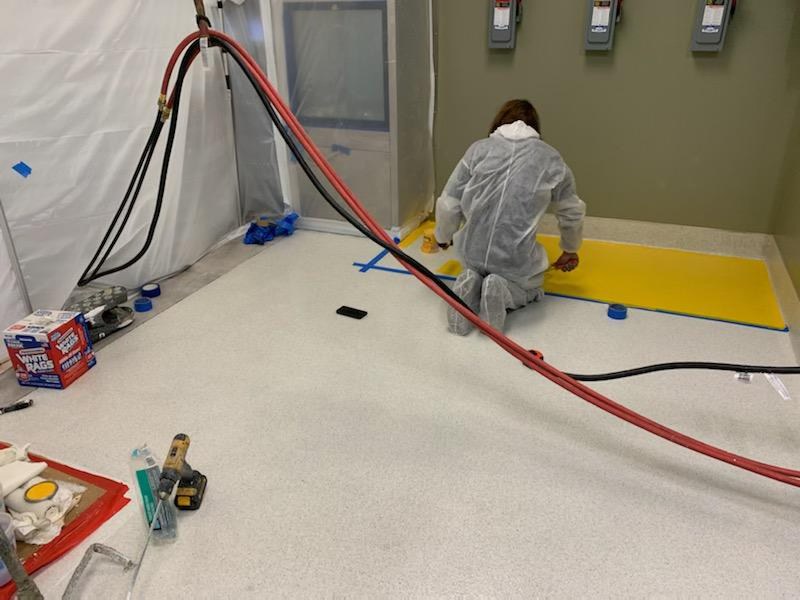
Epoxy flooring is a favorite for Colorado businesses. Warehouses, stores, and hospitals all need floors that can take abuse. Epoxy is very durable. It resists scratches, impacts, and spills. Plus, it looks good. You can pick a color and finish to match your brand or make the space inviting.
Beyond looks and toughness, safety matters. Epoxy can resist slips, which helps where spills happen or many people walk.
But all those good things vanish with a bad job. A bad epoxy floor looks bad and causes problems. You might see peeling, cracks, or bubbles. That means repairs or a redo. That costs money.
Resin Flooring Experts (RFE) knows commercial applications. We know surface prep matters. We know mixing and applying epoxy matters. Messing up those steps causes headaches. A bad job also cuts the floor's life, costing you more.
Let's discuss surface prep. Many epoxy floor problems start here, especially in tough places like Colorado warehouses. You can't just apply epoxy to any surface and expect it to last. Think of it like painting: you wouldn't paint a dirty wall, right? It's the same here.
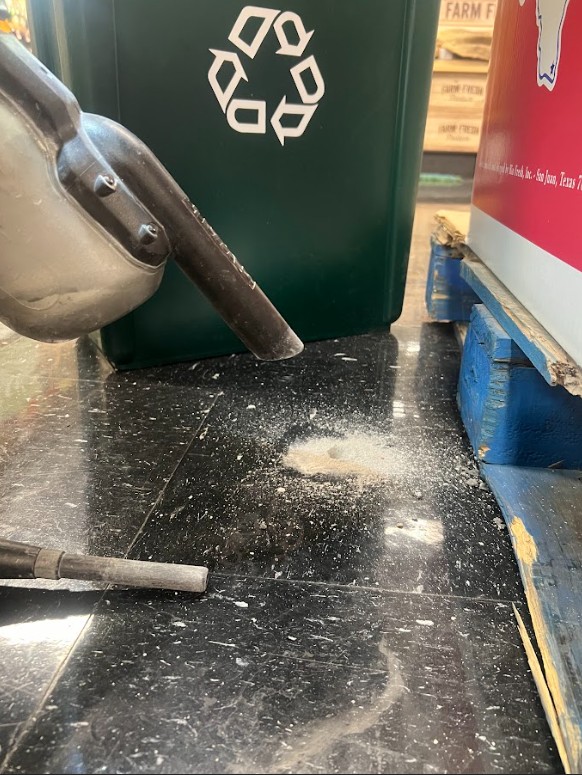
Good surface preparation matters for epoxy to bond well. You must deep clean to remove any oil, grease, dust, or old coatings. Grinding opens the concrete pores, so the epoxy can grab tight. Patching cracks makes a smooth surface.
Skipping steps is bad. If the surface isn't clean, the epoxy won't stick. If it's not ground well, you'll see bubbles and peeling. If you don't patch cracks, they'll show through the new epoxy.
Consider heavy machinery in a warehouse or foot traffic in a store. If the epoxy isn't bonded well, it will fail. You'll see chipping, cracking, and a floor that looks bad and needs repairs. Nobody wants that. Doing it right saves you trouble and money. Don’t cut corners here.
Mixing ratios are super important for epoxy. This isn’t like baking. You must follow the manufacturer's instructions. They give the exact resin and hardener amounts. Mess that up, and the whole floor is a disaster. We often see this in Colorado commercial spaces, where someone tried to save money and didn't measure right. It’s a costly mistake.
How well you mix is as important as the ratio. Don't just stir a bit. You must blend the parts until they are one. If not, some spots will have too much resin, and others too much hardener. This leads to inconsistent curing. This is especially true for big commercial epoxy flooring jobs where you mix large amounts. Use the right equipment and take your time.
One common problem from bad mixing is soft spots. These floor areas never fully harden, even after curing. They feel gummy or tacky and are a major problem. These soft spots are weak. They can be damaged easily and cause the whole coating to fail early. You waste money.
Even without soft spots, uneven curing can happen from bad mixing. Some floor areas cure faster or harder than others. This can change the color, gloss, and texture across the surface. It’s not just how it looks. Different curing rates can stress the epoxy layer, making it more likely to crack or peel over time, especially with Colorado's changing temperatures.
If the epoxy isn't mixed well, the parts can separate during curing. This is more likely with some epoxy types. The floor looks cloudy or hazy, and it won't resist chemicals or last as long as a well-mixed floor. This is a big problem in warehouses or auto shops where floors must be strong.
Colorado's climate poses a challenge for epoxy flooring. Temperature and humidity affect how epoxy cures.
The best temperatures are between 60°F and 80°F (around 15°C to 27°C). Humidity should be below 75% when you apply epoxy. In Colorado, you often deal with extremes, especially in summer or winter.
What should you do? Planning matters. Closely check the weather forecast before you start. If it's too hot, schedule the work for early morning or late evening when it's cooler. Use dehumidifiers or heaters to manage the environment. Always follow the manufacturer's advice for the epoxy product you use. They have expertise. Ignoring those guidelines invites trouble and a floor that does not last.
Epoxy needs certain conditions to cure correctly. If it is too cold, curing takes too long. It might not cure right, which leaves a soft, sticky mess. If it is too hot, it can cure too fast. This traps bubbles and creates weak spots. Excess moisture can disrupt the chemical reaction, which causes clouding, adhesion issues, and even blisters.
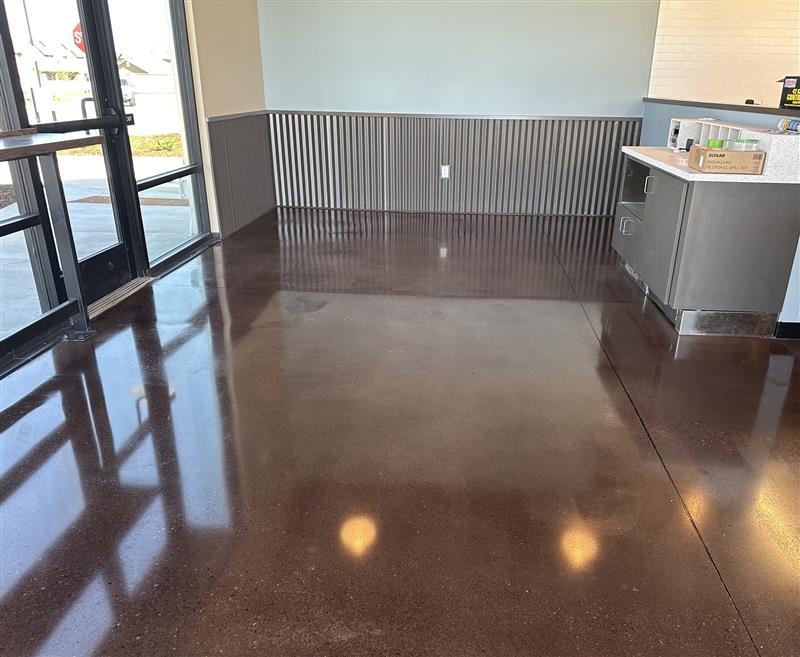
When you explore epoxy flooring, especially for commercial spaces in Colorado, don't just grab any epoxy. Different types exist, and the right pick matters. It’s not complicated, but it does matter.
Think about this: A warehouse floor gets abuse from forklifts and equipment. You need a high-build epoxy or a urethane concrete system for impact and abrasion resistance. Something designed to hold up. What about auto shops? They need chemical resistance from oil and solvents. Novolac epoxies often work well there because they can handle harsh chemicals.
For a retail space, you might care more about looks. You can use a decorative epoxy with color flakes or a metallic finish. It still needs to be tough, but chemical and impact resistance aren't as important as in a warehouse.
If you pick the wrong epoxy, you waste money. It might chip, crack, or stain. Then you face repairs or a new floor sooner than planned. So, figure out what your floor needs before you commit. It will save you trouble and money later.
Moisture Vapor Transmission, or MVT, matters in Colorado. The climate impacts how concrete acts. MVT is moisture moving up through the concrete slab from the ground. Address it before applying epoxy, or expect problems.
What problems will you see? Bubbling is common. Even worse, delamination is when the epoxy peels away from the concrete. It looks bad and isn't durable.
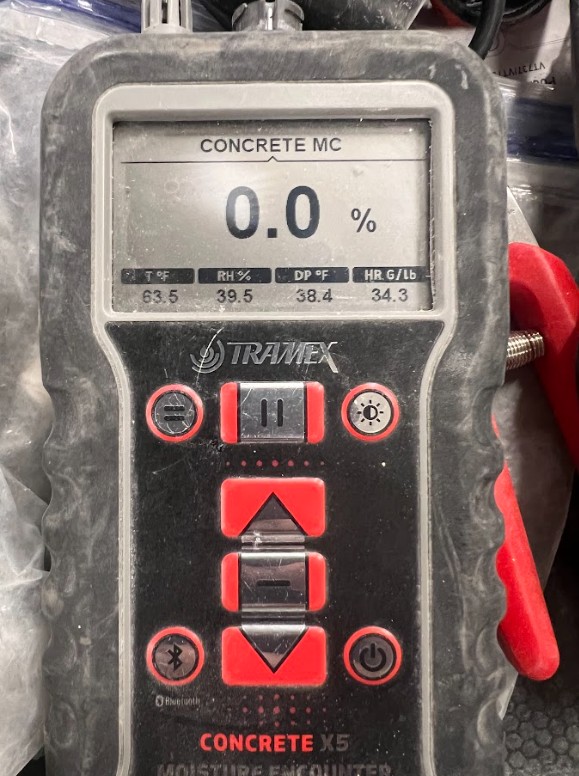
How do you know if you have an MVT problem? Testing helps. Calcium chloride tests measure moisture vapor emission. Relative humidity probes check moisture levels in the concrete. These tests are not optional.
You tested and found high MVT. What's next? Mitigation. Apply moisture vapor barriers to the concrete before the epoxy. These block moisture from rising and harming your floor. Also, pick an epoxy that handles some moisture. Some breathe better than others. Ignoring MVT is risky, especially in Colorado. Test, fix, and save yourself trouble.
One of the most frequent errors involves neglecting proper surface preparation. Epoxy requires a clean, dry, and slightly porous surface to bond effectively. Failing to remove existing coatings, contaminants, or to properly profile the concrete can lead to adhesion failures, bubbling, and a compromised final result.
Epoxy flooring is a two-part system, and precise mixing ratios are crucial. Deviating from the manufacturer's recommended ratios can result in a floor that doesn't cure properly. This can lead to a sticky surface, soft spots, or a floor that is brittle and prone to cracking.
Temperature and humidity play significant roles in the epoxy curing process. Installing epoxy in excessively hot, cold, or humid conditions can negatively impact its workability and cure time. High humidity can cause blooming, while extreme temperatures can affect the epoxy's viscosity and adhesion.
A big mistake in Colorado commercial epoxy flooring is hurrying the hardening process. Epoxy needs time to harden the right way. It is not like paint that dries fast. This chemical reaction takes days, sometimes a week, based on the product and conditions in Colorado.
You invested in a durable epoxy floor for your warehouse or store. The last thing you want is to ruin it before it proves itself. Be patient!
What if you don't wait? You risk damaging the surface. Walking or using equipment too soon can leave marks in the soft epoxy. Also, the floor can stain easier because it hasn't sealed. Imagine oil seeping into the epoxy. Hard to clean!
Always follow what the maker says about hardening times. Don't let impatience hurt your new epoxy floor. Waiting pays off.
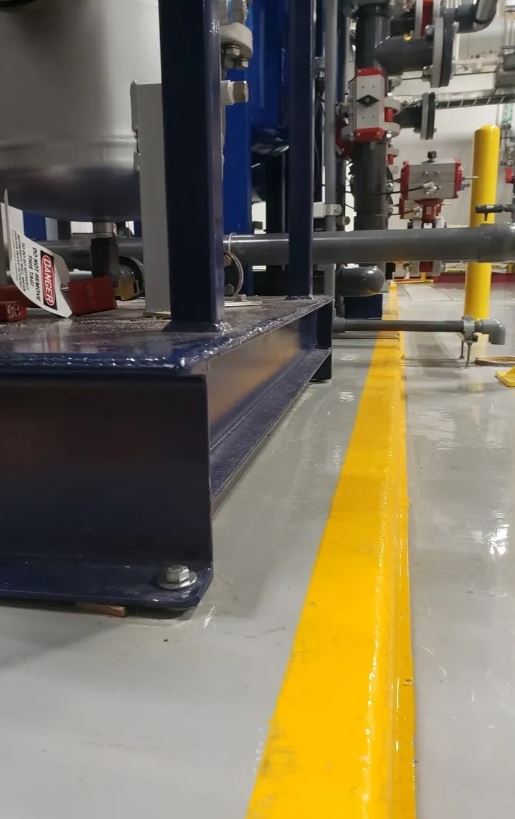
Let's discuss epoxy floor installation issues. Uneven spreading is a big problem. You must distribute the epoxy consistently, or you'll get thick and thin spots. This looks bad, and thin spots wear out faster.
Air entrapment is another common issue. Bubbles get trapped in the epoxy as you apply it. Use a good roller and apply the epoxy in thin, even coats to avoid this. Some contractors use a "bubble buster" roller with spikes to release trapped air. That extra effort pays off.
Overlapping can also cause problems. If one epoxy section starts to cure before you apply the next, you might see lines or ridges. Work quickly and keep a "wet edge" so each section blends into the next.
To get a smooth, uniform finish, surface prep matters. Clean the concrete well, and fill any cracks or imperfections. Then, use the right tools, mix the epoxy right, and apply it with care. If you rush, the floor will look rushed. In a commercial space, that's not good.
Let's discuss keeping things clean when you apply epoxy. It matters more than you may think. You are installing a durable floor. If dust, debris, or crumbs are present, they will affect how well the epoxy sticks, and the final look.
Epoxy must bond with the concrete. If dust exists, the epoxy bonds to the dust, not the floor. This can cause peeling or bubbling, and the floor will not last. Also, any dirt gets trapped, and you will see it forever.
What should you do? Before mixing epoxy, make the floor spotless. Sweep, vacuum with a HEPA filter for fine particles, and scrub with a degreaser if oil or grease is present. This is not a one-time task. Keep the area clean as you apply the epoxy. Reduce foot traffic, use sticky mats at entrances to catch dirt, and keep the air still to prevent dust. It's annoying, but it's worth it for a smooth, lasting epoxy floor, especially in dry places where the air kicks up dust.
One thing that messes up epoxy floors is skipping prep work on joints and cracks in the concrete. This is especially true in places with big temperature swings. Concrete cracks, and those cracks will show through your new epoxy floor if you don't fix them.
Here is why: Epoxy is rigid, and the concrete underneath moves. So, you need to fill cracks with a flexible joint filler that handles expansion and contraction. Otherwise, the epoxy will crack.
Let's break it down. First, route out the cracks to create a clean channel. Then, vacuum all debris. After that, apply a joint filler made for concrete floors. Don’t just use caulk; you need the right product.
Leveling is also key. If you have uneven spots, the epoxy will pool there. Self-leveling epoxy helps, but it's not magic. You might need a concrete patching compound to fill low spots before the epoxy. It's better than having a floor that looks uneven.
How to Achieve Durable Epoxy Flooring Results in Commercial Spaces
When it comes to commercial epoxy flooring in Colorado, you might want to save money and pick a less experienced installer. That is risky. Epoxy flooring involves a chemical process, and experience matters.
Experienced installers prep the concrete the right way. This is important. They know about moisture levels, mixing, and how temperature and humidity affect curing. If they get that wrong, you might see bubbles, peeling, and a floor that does not last.
Yes, a pro might cost more at first, but think about the savings later. A good epoxy floor from Resin Flooring Experts (RFE) will last for years, even in busy warehouses or stores. You will not have to fix it all the time or replace it. Plus, a professional job looks better. That can affect how customers see your business, especially in showrooms or dealerships. Do not skip on this. Doing it right the first time matters.
What should you watch out for when you get epoxy flooring in your Colorado commercial space? Skipping steps or cutting corners causes many problems.
Concrete prep matters a lot. If the concrete isn't cleaned and prepped well, the epoxy won't bond right. This means grinding, patching cracks, and leveling. You'll see peeling and bubbles, and the floor will look bad faster.
Moisture is also a problem. Concrete pulls moisture from the ground. Sealing damp concrete with epoxy traps that moisture, which causes adhesion problems later. Always test the concrete for moisture first.
Mixing is key. Epoxy has two parts, and you must get the mix right. If you add too much of one part, the epoxy won't set. It will be sticky or soft. Also, mix well, but not so fast that you add air bubbles.
Don't forget the value of a pro install. Pros know how to handle temperature and humidity. They know how to apply the epoxy evenly and get a smooth finish. If you want a floor that lasts and looks good, it's a good investment. With planning, surface prep, and a pro install, your epoxy floor will look great and last.