Laser hair removal can sometimes lead to hyperpigmentation (darkening) or hypopigmentation (lightening) of the skin, particularly in individuals with darker skin tones. This occurs because the laser targets melanin, the pigment in hair and skin. To minimize this risk, it's crucial to choose a qualified technician who can adjust the laser settings appropriately for your skin type.
Laser hair removal is most effective on dark, coarse hair because the laser targets the melanin in the hair follicle. Light blonde, red, gray, or white hair lacks sufficient melanin to absorb the laser energy, making the treatment ineffective. Alternative hair removal methods like electrolysis may be more suitable for these hair colors.
If the laser settings are too high or the technician is inexperienced, laser hair removal can cause burns and blisters on the skin. These side effects can be painful and may lead to scarring. Selecting a reputable clinic with certified professionals and ensuring proper cooling techniques are used during the procedure are essential to prevent burns.
Laser hair removal is popular, especially for people who juggle work, family, and everything else. But it's not always easy. People run into issues, and it helps to know what you might face.
A big issue is that not all lasers are the same, and not all clinics know how to use them right. You might get uneven results, skin irritation, or even burns if the settings are off. That's not what you want!
Different skin types and hair colors matter too. What works for someone with fair skin and dark hair might not do much for someone with darker skin or lighter hair. You must find the right laser and the right method for your needs. Some places use tech to zap hair follicles. The goal is precision, so you get results that last and you don't have to return for many sessions.
Even with the best tech, things can still go wrong. For anyone researching Laser hair removal Brampton provides a reliable option for reducing unwanted hair.. Maybe you didn't prep your skin right before the treatment, or maybe you didn't follow the aftercare advice. Small things can change how well the treatment works and how your skin feels. So, laser hair removal can be great, but it helps to be informed and know what to expect.
Laser hair removal uses focused light to remove unwanted hair. Clinics use this tech to target hair follicles with precision. This precision leads to longer-lasting results and fewer sessions.
Different types of lasers exist, and they have different uses. Alexandrite lasers work well for lighter skin tones. Diode lasers work on more skin types. The Nd:YAG laser often works best for darker skin.
Here is how they work. The pigment (melanin) in the hair follicle absorbs the laser light. The light energy becomes heat, which damages the follicle and stops hair growth. Think of it as a tiny, targeted zap! Advanced technologies let experts adjust the laser's wavelength and pulse duration. This adjustment matters for customizing the treatment to your skin type and hair color. Getting it wrong can cause ineffective treatments or skin damage. So, choose a clinic with advanced tech and experienced pros.
Incorrect skin type assessment is a big problem. It affects both results and safety. The Fitzpatrick scale ranges from Type I (very fair) to Type VI (very dark). If a clinic doesn't assess your skin well, they might use the wrong laser settings. This can cause burns, hyperpigmentation, or ineffective treatment. Customizing the laser to your skin is important.
Visual inspection is the first step, but not the only one. Experienced technicians look at your skin's color, sun exposure reaction, and ancestry. Someone with olive skin might seem like a Type III, but family history could mean they react more like a Type IV. This is where experience matters. It's not just about what you see.
Test spots are important, and any good clinic will do them. They test the laser on a small area and watch how your skin reacts over a few days. This helps adjust the settings before treating a larger area. It minimizes risks and helps ensure better results. Don't skip this step. A clinic that doesn’t offer test spots is a warning sign.
Customized energy levels are important. Fair skin needs lower energy. Darker skin can handle higher levels, but it’s a balance. Too low, and you won't damage the hair follicle enough to stop growth. Too high, and you risk burning the skin. Expertise and careful adjustment are needed to find the right level based on your skin's reaction to the test spot.
The evaluation doesn't stop after the first assessment. Your skin can change with sun exposure or hormones. Technicians should reassess your skin at each session and adjust the laser settings. This ensures safety and effectiveness during your laser hair removal. It's ongoing, not a one-time thing.
Let's discuss what laser hair removal does. A common mistake is thinking it's a permanent fix. It's not. It's about long-term hair reduction. You'll likely need maintenance sessions to stay smooth. Laser hair removal weakens hair follicles, so they produce less hair.
Clinics use light tech to target follicles. This is key to getting longer-lasting results and reducing the number of treatments you need.
Now, for women with hormonal hair growth, it's important to have realistic expectations. Hormones can stimulate hair growth after treatments. That doesn't mean laser hair removal won't work, but you might need more touch-ups. It's about managing expectations and knowing that hormones matter. Laser hair removal can reduce unwanted hair, but it's not a magic bullet, especially when hormones are involved.

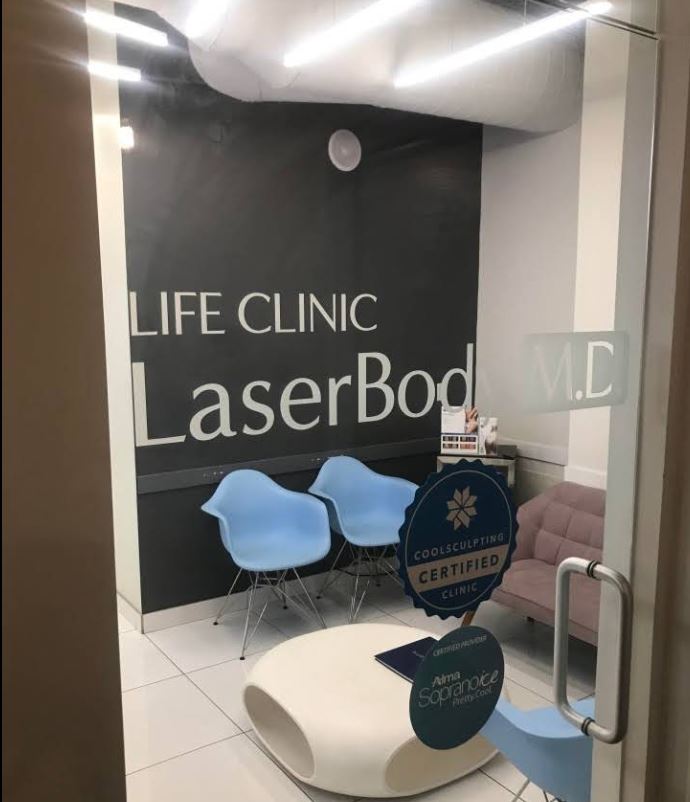
Advanced laser tech is key to effective hair removal. Places like Laserbody MD use focused light to remove unwanted hairs at the follicle. This precision helps remove hair and ensures it stays gone longer, so you need fewer treatments.
But this tech is only as good as the person who uses it. You can't just hand a laser to anyone. Poorly trained technicians can cause problems. That's why it's so important to go to certified professionals. They know the laser, how to adjust it for different skin types, and how to handle any side effects.
Brampton has many people looking for hair removal: busy professionals, women dealing with hormonal hair, athletes wanting smooth skin, and people with sensitive skin. All these people need someone who knows what they're doing. A certified pro can make sure the treatment is safe and effective, even if you have sensitive skin. It’s worth the effort to find someone who knows their stuff.
Laser hair removal isn't for everyone. Certain medical conditions can cause problems, so share your health history.
For example, avoid laser hair removal if you are pregnant. Hormonal changes can make your skin more sensitive. Plus, there isn't enough research on the effects of lasers on developing babies to justify the risk.
Some medications can also make your skin more sensitive to light. Some antibiotics or acne treatments are examples. If you take anything regularly, tell your laser technician. They can assess the risk and adjust the treatment plan, or they might suggest waiting.
Skin disorders like eczema or psoriasis can also complicate things. Laser treatments might irritate those conditions, potentially causing flare-ups. A good technician will examine your skin and discuss whether laser hair removal is right for you.
That’s why a consultation matters. It's not just about removing unwanted hair. It's about your safety and the best results. For example, Laserbody MD reviews your medical history before any treatment. They need to know about medications, conditions, or past reactions to skin treatments. This minimizes risks and improves your chance of a smooth outcome.
Before you zap hairs, skin preparation matters. Think of it as prepping a canvas before painting. The smoother the canvas, the better the art. The same applies here.
First: Avoid the sun. Sun exposure before laser hair removal is bad. You want your skin as close to its natural color as possible. A tan throws things off and can cause burns or discoloration.
Shaving helps, but do it right. Shave a day or two before your visit. Why? The laser must target the hair follicle. If you wax or pluck, there is no follicle to target! Don't go in with stubble. Shave close, but gently.
Finally, skip the fancy skincare for a bit. Harsh chemicals, like strong exfoliants or retinoids, can make your skin sensitive. Don't arrive with irritated skin. Give your skin a break for about a week before your treatment. Aim for calm, happy skin that is ready for the laser. Your skin will appreciate it. You will get better results and avoid side effects.
You just zapped the hair away, great! But you are not quite done. What you do after your laser session matters. You told your skin to chill out, and now you need to help it do that.
Soothing lotions, like aloe vera, are helpful. Redness and swelling are normal. These lotions help calm that. If it is more intense, talk to your clinic. They might suggest something stronger.
Sun exposure is not good. Your skin is sensitive after laser hair removal. Use sunscreen, hats, and long sleeves. Avoid direct sun for at least a couple of weeks.
For athletes, all that sweat and friction can irritate freshly lasered skin. Keep the area clean and dry. Maybe skip the tight workout gear for a few days. If you notice irritation or signs of infection, get it checked out.
Good aftercare ensures you get results from your laser treatments and avoid issues. It is not hard, but it matters!
Laser hair removal uses focused light to zap hair follicles. Places like Laserbody MD use advanced tech for this. This tech precisely targets hair. You get smoother skin that lasts, and you need fewer treatments.
Here is a big mistake: getting laser hair removal when you have a tan or sunburn. Why is this a problem? The laser targets melanin, which colors your skin and hair. When you are tanned or burned, your skin has extra melanin. The laser cannot tell the difference between the melanin in your hair and the melanin in your skin.
So, what happens if you proceed? The laser might burn your skin instead of targeting the hair. Ouch! Even if you don't get burned, the treatment might not work well. The laser's energy scatters across your skin instead of focusing on the hair follicles.
The easy solution? Wait. If you have been in the sun, let your skin return to its natural color before your laser session. Postponing might be annoying, but it is better than risking a burn or wasting money on a treatment that does not do much.
Before you start laser hair removal, especially if you have darker or easily irritated skin, patch tests are key. Think of it this way: you would test a new skincare product on a small area first, correct? The same idea applies here.
A patch test lets the technician see how your skin reacts to the laser. They use the laser on a small area and wait a day or two to check for redness, swelling, or discoloration. This helps them find the best laser settings for your skin tone and sensitivity.
Here is why this is so important. Everyone's skin is different. What works for one person might cause a reaction in another. Skipping the patch test is risky. You could end up with burns, hyperpigmentation (darkening of the skin), or hypopigmentation (lightening of the skin). None of those outcomes are ideal.
Clinics like Laserbody MD, which use focused light tech, still need to do patch tests. Even with advanced tech, it's all about tailoring the treatment to your needs. The goal is lasting smoothness with fewer sessions, but that starts with ensuring the settings are right for you. So, don't skip the patch test. It's a small step that can save you trouble and potential skin damage.
Laser hair removal involves more than zapping hair. It requires the right tech. Clinics like Laserbody MD use focused light tech. This targets hair follicles with precision. That's key to lasting smoothness. It also means fewer sessions.
But lasers need upkeep. A poorly maintained laser is less effective. You might need more treatments. No one wants that.
Advanced cooling systems are also important. These systems reduce discomfort during the process. It also protects your skin. If a clinic cuts corners on cooling, you risk burns or irritation. This is especially true for sensitive skin.
The tech makes laser hair removal work well and feel comfortable. But it only works if the clinic invests in it and cares for it. So, when you pick a clinic, ask about their equipment. Ask about maintenance and cooling systems. It’s your skin. You want it in good hands.
Laser hair removal, especially with advanced tech like we use at Laserbody MD, often reflects its price. It sounds cliché, but this isn't the place to save money.
Consider this: focused light technology needs precision. We target hair follicles with specific light wavelengths to disable them. If the equipment is subpar, or the operator lacks training, your results suffer. You might need more sessions, or you might experience skin irritation or burns.
Clinics like ours buy top-tier lasers and provide ongoing technician training. The more precise we are, the fewer treatments you need, and the better your results. Advanced tech also lets us customize treatments for different skin and hair types, which lowers the risk of side effects.
It's tempting to choose the cheapest option. But paying more for a good clinic with advanced tech saves time, money, and trouble. Invest in quality and skill for smooth, lasting results.
When you look for a laser hair removal place, especially if you are a busy professional or someone with sensitive skin, don't just pick the first one you see. Do some research. First, check their certifications. Are the people doing the treatments qualified? Ask to see proof.
Then, read reviews, but be careful. Look for trends. Are people saying the same good or bad things? Next, find out what kind of laser tech they use. Places like Laserbody MD use focused light tech to target hair follicles directly. This can mean fewer sessions and better results.
Finally, make sure they offer a consultation. They should tell you about the process and listen to your concerns. They should assess your skin type and explain what you can expect. If they skip this step or seem rushed, that is a warning sign. You want a clinic that takes the time to understand your needs and uses advanced tech for lasting hair reduction.
Laser hair removal uses focused light to zap unwanted hair. Clinics like Laserbody MD use this tech to target hair follicles with precision. You get smoother skin that lasts, and you don't need treatments as often.
People worry about potential problems. Will it hurt? Are there side effects? Does it work? These are normal questions!
A big concern is whether it will get rid of hair. Laser hair removal reduces hair growth. Many see lasting results, but some need touch-ups. It depends on your skin type, hair color, and hormones.
Another worry? Side effects. Some get temporary redness or swelling, which fades fast. Rarely, there can be burns or pigment changes. Go to a qualified place with experienced technicians. They'll check your skin and use the right laser settings to lower risks.
Laser hair removal isn't cheap. Think about the time and money you spend on shaving or waxing. It can be a good investment. Plus, no more razor burn!
Laser hair removal improved, thanks to better laser tech. Laserbody MD and similar places use light to target hair follicles. The advantage is focus. The treatment targets the source.
Why does this matter? Precise targeting can mean results last longer. It can also mean fewer sessions, which saves time and money. For people in Brampton looking for smooth skin, that's helpful.
Remember the common problems? Many come from using old or wrong tech. If the laser isn't focused, you risk skin damage, uneven results, or quick regrowth.
How do you avoid problems? Start with knowledge. Don't pick the cheapest choice. Ask about the laser type. Make sure it fits your skin and hair. Put safety first, and talk to experts who can set real expectations. This way, you can get the smooth skin you want.