
Implementing detailed, step-by-step protocols ensures consistency across all laser hair removal sessions. These protocols should cover pre-treatment skin assessment, laser parameter selection based on skin type and hair color, and post-treatment care. Regular audits of adherence to these protocols can identify areas for refinement and enhance overall outcomes.
Utilizing state-of-the-art laser technology is crucial for achieving optimal and consistent results. Newer devices often feature enhanced cooling systems, wider range of wavelengths, and real-time feedback mechanisms. Investing in and properly maintaining these advanced systems minimizes patient discomfort and maximizes treatment efficacy.
Recognizing that each patient's skin and hair characteristics are unique is essential for tailoring treatments. A thorough initial consultation should identify individual needs and potential risk factors. Adapting laser parameters based on these factors, along with ongoing assessment of treatment response, allows for personalized care and improved outcomes.
Laser hair removal requires more than one session. To get the best results, especially if you're busy, dealing with hormones, need smooth skin for sports, or have sensitive skin, you need a plan.
Think of it this way: you wouldn't go to the gym once and expect great shape, right? It's the same here. Laser hair removal requires multiple sessions and strategic scheduling. Here is why: hair grows in cycles. The laser works best on hair in the active growth phase. Spacing out treatments ensures we treat as much hair as possible during that phase.
Follow-up consultations are also key. Your skin changes, hair regrowth changes, and hormones can play a role. What worked at first might need adjustments later. The laser or timing between sessions might need to change.
Skipping follow-ups risks not getting the hair reduction you want. You might need more sessions later, costing more time and money. So, listen to your technician. When you are looking into Laser hair removal Brampton offers long-term hair reduction solutions.. They know what they're doing and want the best outcome for you.
Brampton's population is wonderfully diverse. We see a wide range of skin types and hair colors in our laser hair removal clients. This affects how well laser hair removal works. Someone with very fair skin and dark, coarse hair will often see results faster than someone with darker skin or lighter hair.
Personalized assessments are important. We must evaluate each client to find the best laser settings and treatment plan. There's no one-size-fits-all option.
Let's discuss scheduling. Laser hair removal requires multiple sessions, spaced out. Here is why: Hair grows in cycles. The laser works best on hair that's growing. By scheduling sessions, we target more hairs as they enter that phase.
Follow-up consultations are also key. Your skin can change. Hair regrowth can shift, especially for women with hormonal changes. These follow-ups let us change the treatment plan to keep the laser hair removal working. This ensures you get the long-term hair reduction you want. Skipping these follow-ups can mean less effective results later.
The first step is a consultation. We gather information. We need to know your medical history, especially anything related to skin conditions or hormonal imbalances, which are common with many of our Brampton clients. A skin analysis helps determine your skin type and sensitivity, which guides the choice of laser settings. We also check your hair color and thickness, as these factors affect treatment. We set expectations and explain what laser hair removal can and can't do.
Goals are key. What do you want from laser hair removal? Do you want less hair growth on your legs, or do you want to manage hormonal hair growth? Defining your goals helps us tailor the plan to your needs. We talk about the number of sessions needed, considering factors like hair density and skin tone. We work together to match our skills with what you want. Without goals, it's easy to feel lost or expect too much.
Laser hair removal needs multiple sessions spaced weeks apart. The laser works best on hair in the active growth phase. Hair grows in cycles, so multiple treatments are needed to target hair follicles at the right time. The schedule depends on the area being treated and hair growth patterns. Regular treatments help us catch more hairs during their active growth phase, which makes each session better. Skipping sessions can mess up the process and make treatment take longer.
Follow-up meetings help track progress and make changes. We watch your skin's reaction to the laser and check the reduction in hair growth. These check-ins let us fine-tune the treatment for results. If we see side effects or changes in your skin, we can change our approach. This helps us make sure the treatment is safe and effective for you.
Keeping results often needs maintenance treatments. Laser hair removal reduces hair for a long time, but some hair can grow back. These sessions, set every few months or years, help keep hair growth away. Things like hormonal changes or aging can affect hair regrowth, so watching it is key. Think of it as a tune-up for your skin, so you can enjoy the benefits of laser hair removal for years.
Laser hair removal requires a plan. It involves scheduling sessions to match hair growth cycles. Multiple treatments are essential.
For example, if you start in the fall, your skin might tan by summer. This affects how the laser works. We must consider that.
Don't skip follow-up meetings. They are very important. Your skin changes, and hair regrowth might change. What worked at first might need adjustments later. We must see how your skin reacts to the laser and change the plan if needed.
Without a schedule and follow-ups, you might not get the results you want. You might get patchy hair reduction or need more sessions. Regular follow-ups let us catch skin reactions early. Prevention is better, especially for your skin.

Laser hair removal isn't one-size-fits-all. For the best results, you need a treatment plan specific to you. We consider your skin type, hair color, treatment area, and goals.
For example, darker skin needs different laser settings than fair skin to avoid pigmentation issues. If you have hormonal hair growth, like some women experience, you might need more sessions or a different method. Managing pain matters, too. Numbing creams can help! Also, follow pre- and post-treatment advice, like avoiding sun exposure, to prevent issues and get the best results.
Next, consistency matters. You can't expect to be hair-free after one session. Laser hair removal works best with multiple sessions, spaced out. Timing is important because hair grows in cycles, and the laser works best on hair in the active growth phase. Regular follow-up visits are also a must. This lets your technician see how your skin responds and adjust the treatment as needed. Maybe your skin is more sensitive, or the hair is growing back differently. Either way, they can adjust the plan to keep you on track for long-term hair reduction. If you skip these visits, you might not get the results you want, or it could take longer to see a difference.

Laser hair removal isn't just about blasting away hair. To get great results, especially with Brampton's diverse skin tones and hair types, you must nail the treatment plan and stick with it.
Everyone's different. The right approach for someone with fair skin and dark hair won't be the same for someone with darker skin or finer hair. That's why adjusting the laser settings matters. We tweak the energy level (how strong the laser is), the pulse duration (how long the laser is on), and the spot size (how big of an area the laser covers). When you get these right, you get better hair removal and reduce the risk of burns or pigmentation issues.
Hair grows in cycles, so you need multiple sessions to catch all the hairs in their active growth phase. Book appointments and schedule them strategically. We watch how your skin reacts, how the hair responds, and adjust the plan as we go. Maybe we bump up the energy, or maybe we space out the sessions a bit more. Follow-up consultations are important. We adapt to any changes and keep you on track for the best possible long-term hair reduction. If you ignore this part, you might waste time and money on treatments that aren’t as effective as they could be.
Strategic scheduling of your laser hair removal sessions is key to get the best results. This means multiple treatments, not just one. We often advise spacing them out, and scheduling follow-up meetings. Here is why: Your skin and hair regrowth change.
Hair grows in cycles. Lasers target hair in the active growth phase. By spacing out treatments, we catch more hairs when they're vulnerable. Also, everyone is different. Hormonal changes or seasonal stuff can affect hair growth. Regular follow-ups let us tweak the plan. We may need to adjust the laser settings, or extend the time between sessions.
What happens if you skip follow-ups? You might not get the hair reduction you want. Or, you might need more sessions later. It’s about being proactive and adapting to what your skin and hair tell us. We want lasting results, and that takes planning and attention!
After each laser hair removal session, baby your skin. Be gentle. Use mild, fragrance-free cleansers. Skip harsh scrubs or strong chemicals for a bit. Your skin is sensitive.
Sun protection is a must. Laser treatments make your skin more open to sun damage. Use broad-spectrum sunscreen with SPF 30 every day, even if it's cloudy. Reapply often, especially if you're outside. Hats and clothing are also good.
Redness and irritation are common right after a session. Usually, it fades within hours or a day. Cool compresses can help. If you get any itching, talk to your technician. They might suggest a gentle, hypoallergenic moisturizer to calm it. Don't pick or scratch. That can cause problems.
Following this aftercare is important. It’s about protecting your skin and getting the best results from your laser treatments. Be consistent.
Strategic scheduling matters. Laser hair removal requires multiple sessions to treat all the hairs in the right growth phase. Follow-up consultations are also a must. Your skin and hair can change, and your technician might adjust the treatment plan for long-term hair reduction. Keep those appointments!
Treatment planning isn't a one-time thing. It changes. What works at the start might need tweaks later. That's why follow-up appointments matter.
Think of it this way: you wouldn't plant a seed and never check on it, right? Laser hair removal is similar. You need to watch progress. During follow-ups, we check how your skin responds, how much hair still grows, and if there are unexpected side effects.
These appointments let us address any worries you have. Maybe you see less progress than you expect. Or maybe you feel some irritation. We can change the laser's settings—the intensity, the pulse duration—to suit your skin and hair type better at that stage.
Skipping follow-ups is a common mistake. People get busy. They see some early results and think they're done. But hair grows in cycles. What you see isn't the whole story. Regular follow-ups and planned sessions help catch hair in its growth phase and get lasting reduction, even if you're busy or have hormonal changes. It’s about adapting to your body's response over time.

Laser hair removal requires a plan and commitment. Multiple sessions, spaced out correctly, are key. Hair grows in cycles. The laser works best on hair in the active growth phase. Since not all hairs grow at the same rate, several treatments are needed.
Follow-up appointments are also important. Your skin might react in unexpected ways. Hormonal changes can affect hair growth. New medications can change things. Regular check-ins let your technician adjust your plan. They can adjust the laser or change the timing between sessions. They might even suggest different aftercare.
Skipping follow-ups can cause uneven results, or hair may return faster. Go to a trusted clinic that knows how to handle complex situations. It's an investment, so treat it that way.
Let's discuss planning your laser hair removal treatments and why follow-up is important. It's not a one-time deal.
Laser hair removal is more effective when you spread out the sessions. Multiple treatments, scheduled carefully, are needed. Here is why: Hair grows in cycles. The laser targets hair in the active growth phase. All your hair isn't in that phase at the same time. So, spacing out appointments—usually a few weeks apart—allows us to treat more hairs as they enter that active phase.
Then there's the follow-up. Don't skip it! Your skin changes. Hair regrowth might surprise you. Hormones can be a factor, especially for women. Maybe you haven't been consistent with aftercare. Whatever the reason, follow-up visits let us adjust the treatment plan. We can adjust the laser settings, address any skin reactions, and ensure you're still on track for good long-term hair reduction. Think of it as course correction. Without it, you might not get the results you want, and that's a waste of time and money.

Is proper training and certification for laser technicians essential? Yes. You don't want someone unfamiliar handling lasers on your skin. Look for certified technicians. Certification shows they understand the tech and safety rules.
But there's more. The field changes. Ongoing professional growth matters. New lasers appear. Practices get updates. A tech who stays current gives you better, safer results.
Let’s discuss the treatment plan. It's not a one-time thing. Laser hair removal needs sessions. Why? Hair grows in cycles. The laser works best on hair in the active growth phase. You need sessions to catch all the hairs at the right time.
Follow-up visits also matter. Your skin might react differently. Hair regrowth varies. The technician must see how you respond and change the plan. It's about adapting to your needs for the long term. Ignoring this? You might waste time and money and not get the smooth skin you want.
Treatment planning and follow-up are very important. You can't just zap hair and hope it works. Plan multiple sessions. Hair grows in cycles. Lasers work best on hair in the active growth phase. Spacing out treatments helps you target more hairs when they're vulnerable.
Follow-up visits are also a must. Skin changes and hair regrowth patterns shift, especially for women with hormonal issues. You must adapt the treatment.
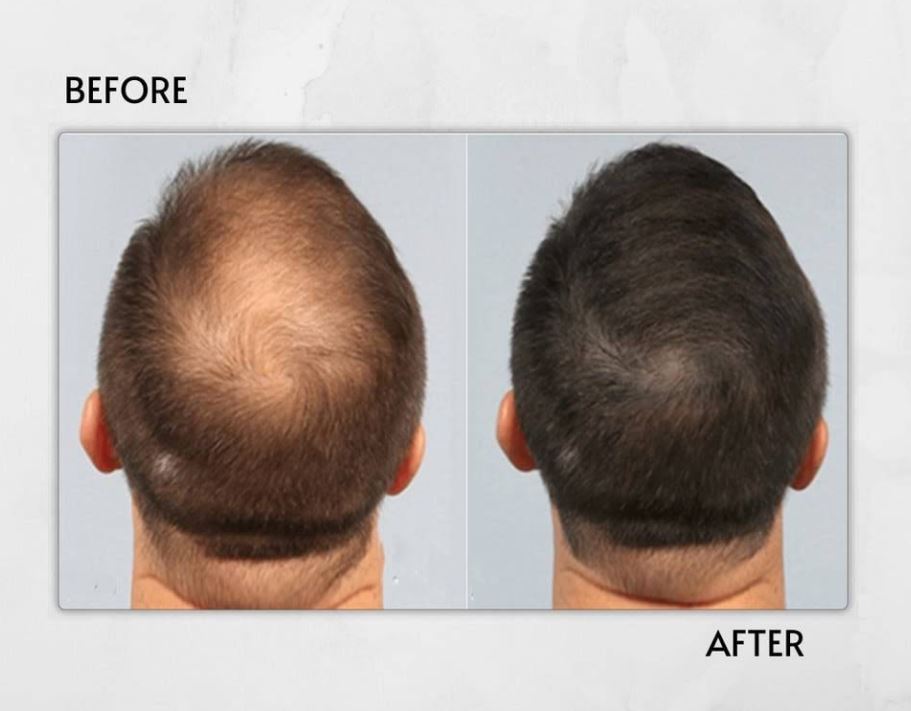
How do you know if it works? Track progress. Photo documentation helps. Take pictures before, during, and after treatment. It's visual proof. Client feedback matters too. Ask about their experience, what they see, and any worries.
The goal is decisions based on data. Don't guess. Look at the photos, listen to the client, and adjust your plan. If you skip this, you might not get the results you want. That's frustrating. Plus, you could waste time and money, and maybe cause skin irritation if you aren't careful.
Laser hair removal requires more than one session. Managing expectations is important, especially for busy people or those with sensitive skin. You need a flexible plan.
Consider this: You are working with skin. Multiple sessions are needed. We space them out, but timing depends on how your skin and hair respond. Follow-up meetings are important.
During check-ins, we see how well the treatment works. We check for skin changes, like dryness or sensitivity, and we monitor hair regrowth. We might adjust the laser or schedule. Open communication is key. Tell us what you feel!
This is also a chance to address worries. Redness or slight irritation is normal, but tell us if it lasts too long. We also manage expectations. Laser hair removal reduces hair growth, but complete removal is rare. Being upfront builds trust and keeps people happy.
Smart scheduling matters for laser hair removal. One session isn't enough. It's a process. You need several treatments to target hairs during their active growth phase. Here is why: Lasers target pigment in the hair follicle, and they work best when hair is actively growing.
Follow-up visits also matter. These appointments let us watch your progress, check your skin's response, and tweak your plan. Skin changes and hair regrowth patterns all matter. Maybe you're busy, or maybe hormones cause hair growth. Everyone is different.
Skipping follow-ups is a mistake. You risk spotty results and skin problems. You might need more sessions later, costing time and money. We must adapt to your skin and hair. Consistent treatments plus consistent monitoring equal the best chance for lasting hair reduction.