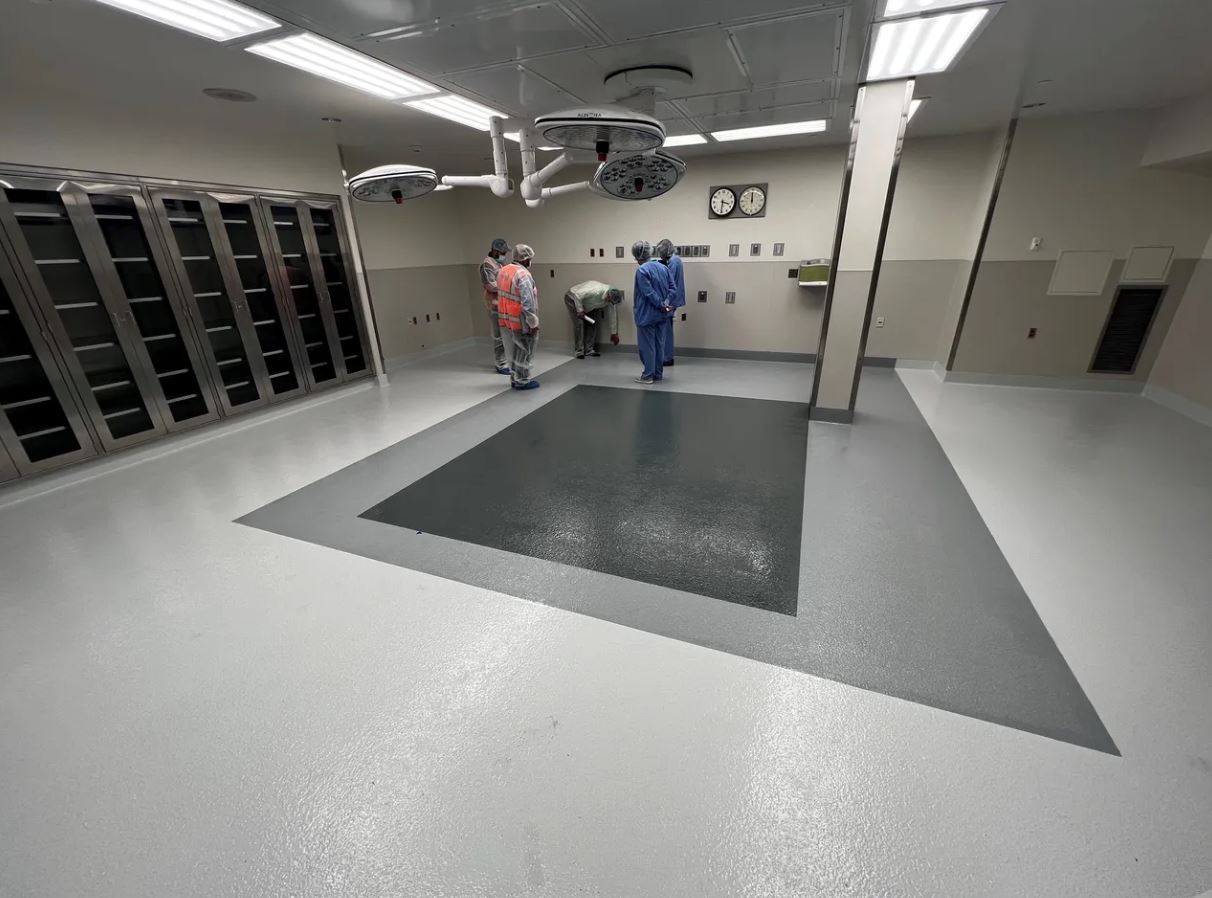
Garage floor coatings, like epoxy, are very popular. They improve garage floors and protect the concrete. Many people now use them in their garages.
But how well do they hold up to cars and trucks? That's the challenge. You want something that looks good and handles vehicle weight and wear.
Garages aren't just for parking. They're workshops, storage, and sometimes gyms. The floor gets beat up by tools, spills, and foot traffic, plus vehicles. So, you need a tough coating.
The best way to handle this is with multi-layer epoxy systems. They resist impacts, chemicals, and abrasions. Also, edge detailing prevents peeling and chipping, which are common problems if you skip it.
For homeowners in places like Colorado, with freeze-thaw cycles and road salts, a durable, easy-to-clean garage floor is key. Epoxy coatings resist stains and make cleaning up oil spills easier. It's not just about looks; it makes your life easier and protects your investment.
Searching for a reliable Flooring Contractor in Denver business owners rely on for professional flooring services..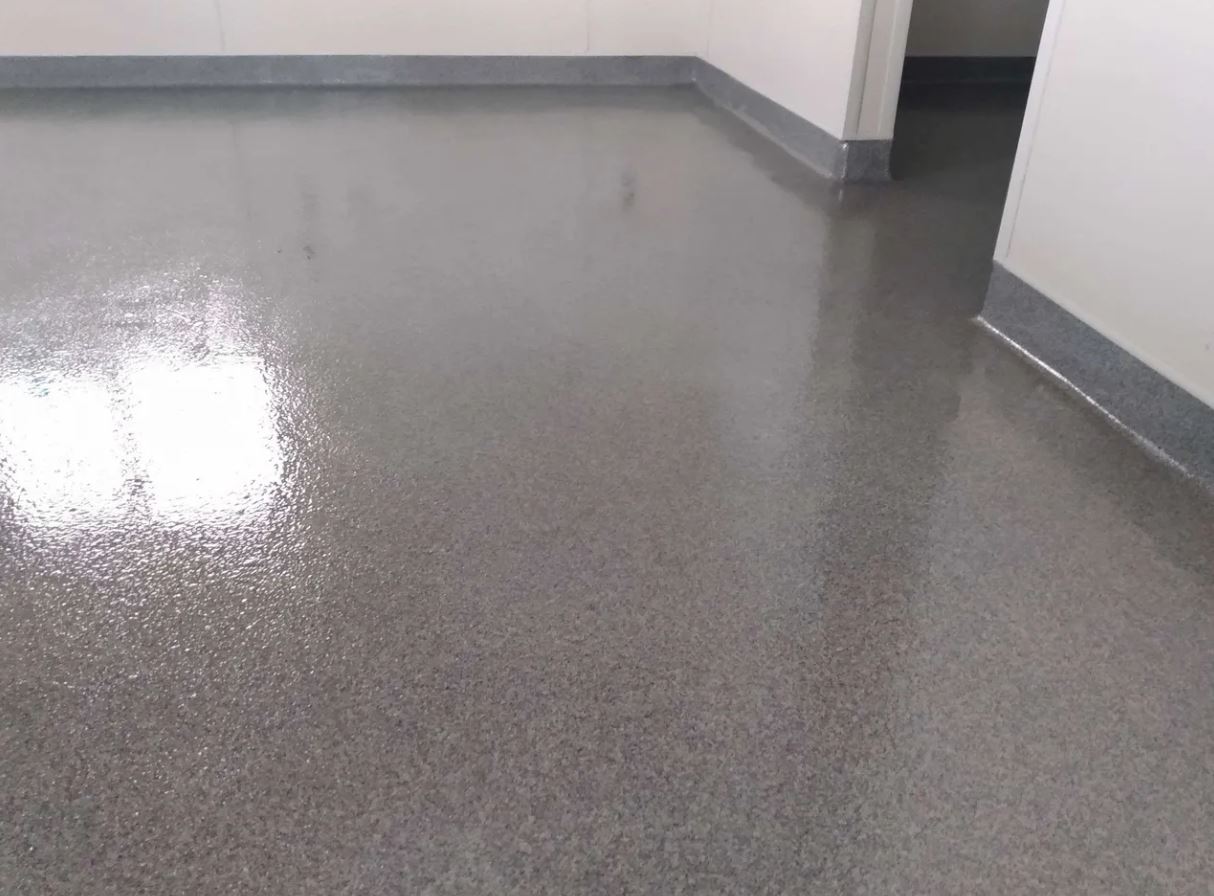
Let's discuss what your garage floor endures. It's more than just a surface, right? Vehicles are heavy, and they stress the concrete.
Consider the weight. A small car might weigh 3,000 pounds, but an SUV or truck can easily reach 5,000 or 6,000 pounds. All that weight focuses on four small points: your tires. That creates constant pressure.
Next, think about abrasion. Tires aren't smooth. They pick up tiny rocks and debris. Every time you drive in and out, those particles grind against the garage floor like sandpaper. Over time, that wears down the concrete, especially if it's not sealed or protected.
Also, don't forget chemical spills. Oil, gasoline, antifreeze, and even road salt dripping off your car can all harm concrete. They seep in and cause it to break down from the inside.
One thing to consider is "hot tire pickup." When you drive, your tires get hot. That heat can soften some coatings, and pieces of the coating can stick to your tires and pull away from the floor. It's not ideal, and it means your coating isn't holding up. A good epoxy coating resists this, but cheaper options often fail.
Verify Surface Conditions for Lasting Garage Floor Performance
The epoxy type greatly affects how long it lasts. Some epoxies suit light use. Others handle vehicle weight and scrapes. More solids usually mean a stronger epoxy. It shrinks less as it cures and makes a thicker layer. Pick an epoxy for garage floors and heavy use. If you don't, cracks and peeling will happen fast.
Good surface prep matters a lot. Epoxy needs a clean, a bit rough surface to stick well. Grind or etch the concrete to remove old stuff or grime. Skip this, and the epoxy won't stick. Peeling and bubbles will show up. It's like painting: Paint won't stick to a dirty wall.
How you put on the epoxy is as important as the stuff itself. Mix the epoxy right. Put on the right amount. Make sure it covers evenly. Wrong mix? It may not cure right. Too thin? It wears out fast. Uneven? Weak spots appear.
Epoxy systems with many layers last longer. These have a primer, base coats, and a clear topcoat. The primer helps it stick. Base coats add thickness and color. The topcoat protects from scrapes, chemicals, and sun. Each layer helps make a stronger floor. More layers mean it lasts.
Even great epoxy needs care. Sweep up dirt. Clean up spills fast. Avoid strong chemicals that hurt the surface. Use mats under heavy things to stop scratches. Cleaning often and taking care of it helps the floor last and look good. Protect your investment.
Not all garage floor coatings are the same. There are many types, and the solids content matters. More solids often mean a thicker, tougher coating that handles more traffic. A coating with less solid content will wear down faster under vehicles.
Chemical resistance is also important. Garages see spills like oil, gasoline, and antifreeze. You need an epoxy that resists these chemicals without breaking down or staining.
Epoxy isn't your only choice. Polyaspartic and polyurethane coatings are worth a look, mostly as topcoats. They often resist UV rays better than epoxy, so they won't yellow in sunlight. Plus, they can resist scratches.
What should you use? For light traffic, like one car and some storage, a standard epoxy with good chemical resistance may work. For heavier use, like multiple vehicles or commercial use, use a high-solids epoxy or a polyaspartic or polyurethane topcoat for more toughness. It will save you money later.
Thinking about an epoxy coating for your garage floor? Good choice. But the secret to a floor that lasts isn't just the epoxy. It is what you do *before* you open that can.
Surface preparation is key. I mean cleaning, grinding, and patching. First, remove all grease, oil, and other junk from your concrete. A good degreaser and scrubbing will help. Do not skip this step. Epoxy does not stick to dirt.
Next: grinding. This roughens the surface, so the epoxy can grab on. You can rent a concrete grinder. If you skip grinding, the epoxy might peel, especially with cars on it.
Finally, patching. Any cracks or holes? Fill them. Use a concrete patch for this. Let it cure before you move on. Otherwise, those imperfections will show through the epoxy, and they could weaken the coating.
You might think, "Can't I skip a step?" Do not. Pro preparation matters. Pros have the right equipment and experience. Poor prep leads to bad adhesion, so your floor will chip, crack, and look bad sooner. Save yourself the trouble. Prep the surface right the first time.
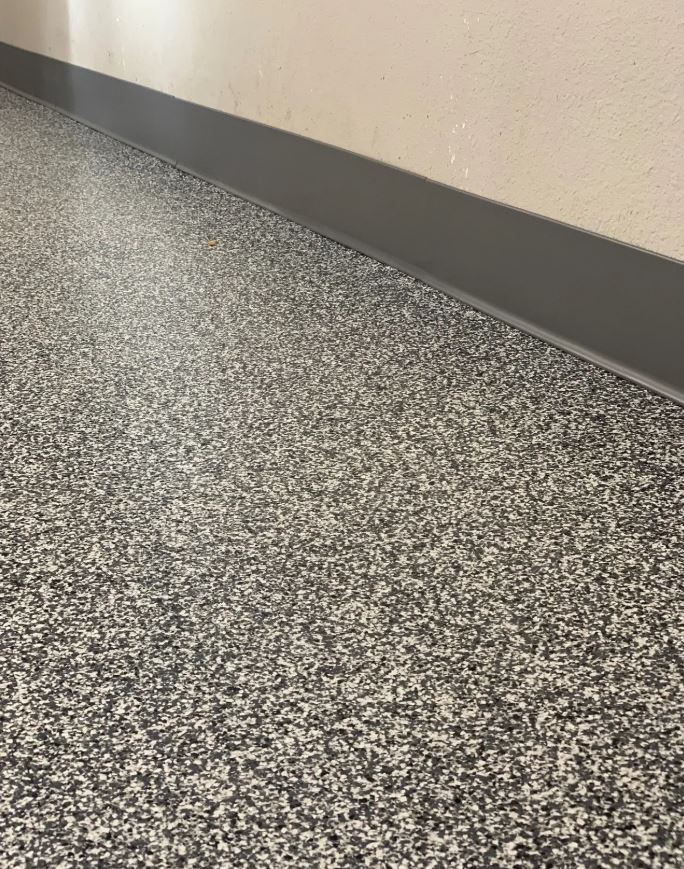
Want your epoxy garage floor to last? The application is key. First, mixing ratios matter. Too much hardener makes it brittle. Not enough, and it never cures. Always follow the manufacturer's instructions. Don't guess.
Next: thickness. Thin coats won't cut it. You need a solid layer to handle vehicles and tools. Apply multiple coats evenly. A squeegee and roller help.
Curing times are also important. Don't rush. Let the epoxy cure before parking your car on it. This takes days, not hours. Check the product details.
Now, DIY versus professional. You can do it yourself, but are you ready? Pros have the tools and experience. They know how to handle floors with cracks or uneven surfaces. They also know how to prep the concrete.
Professional installation costs more, but it's an investment. A bad epoxy floor will chip and peel fast. For a large or complex garage, hire the experts. It's worth it for long life and peace of mind.
How do we *know* if an epoxy floor works in a garage? Testing is key. Contractors use standard tests to learn how tough an epoxy coating is.
Consider abrasion resistance. The Taber abrasion test is important. A machine spins abrasive wheels on the epoxy surface, and testers measure how much the coating wears away. This shows how well it handles tires turning. Less wear is better.
What about impact resistance? Testers drop a weight on the surface to see what happens. This test shows how well the epoxy handles dropped tools or falling objects.
Chemical resistance matters, especially in a garage. Oil spills, road salt, and battery acid are common. The epoxy gets tested against chemicals to see if it stains, softens, or breaks down. Good epoxy resists these issues.
How does this apply to real life? High abrasion resistance means fewer scratches from use. Good impact resistance means the floor won't crack easily. Chemical resistance means spills won't ruin the floor.
In Denver, contractors discuss "mil" thickness and the topcoat. A thicker coating often means more strength, but the epoxy mix also matters. They also use a hardness scale to show scratch resistance. Find the right balance for your needs.
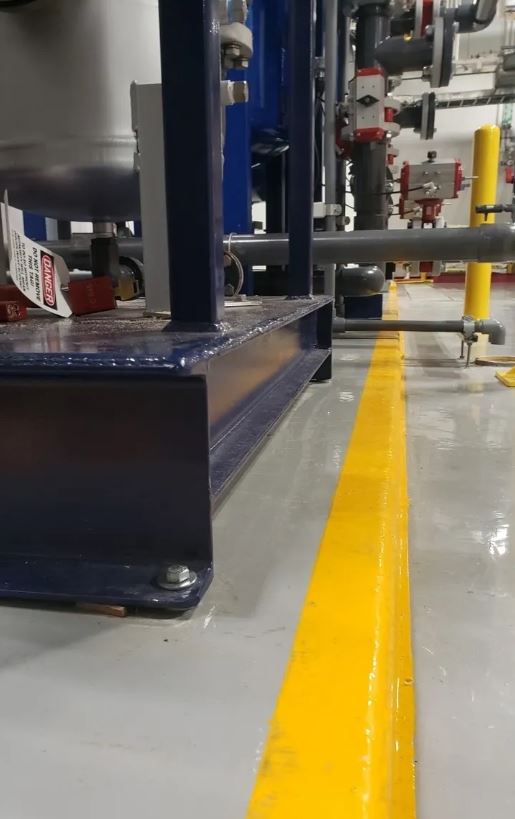
Maintaining your epoxy garage floor isn't complicated, but it helps you get the most life from it. You wouldn't skip oil changes on your car, right? This is similar.
Regular cleaning is your first defense. Sweep or vacuum to remove dirt and debris that can scratch the surface. Clean spills quickly. Epoxy resists stains, but oil, gas, or harsh chemicals can stain if left too long. Mild soap and water work well. Don't use harsh chemicals or abrasive cleaners because they can dull the finish.
Want another tip? Use floor mats. Place them in high-traffic areas or under heavy equipment. They act as a buffer and prevent scratches or chips. Also, use furniture pads under anything you store on the floor.
If you neglect maintenance, you'll see wear sooner. Scratches, stains, and chipping can occur. Once the epoxy is damaged, it's more open to moisture and other harm, which leads to repairs. Upkeep protects your investment and keeps your garage floor looking good.
Let's examine some real-world examples. Garages, workshops, and even commercial spaces have seen great results with epoxy floor coatings. It's about long-term performance, not just looks.
Consider a residential garage we did in Littleton. The homeowner grew tired of oil stains and cracking concrete. We installed a multi-layer epoxy system and focused on proper surface preparation. We ground the concrete to create a porous surface, so the epoxy could really grab onto it. That's key! They also chose a high-solids epoxy, which is more durable than the cheaper, water-based type. Years later, after many Colorado winters, the floor still looks great.
Next, there's the commercial workshop in Denver. They deal with heavy machinery and constant foot traffic. They selected an even thicker epoxy coating with a polyurethane topcoat for extra abrasion resistance. The edges were carefully detailed to prevent chipping and peeling, a common problem if skipped. Regular cleaning matters in a commercial setting, but the right epoxy system makes it much easier and keeps it looking professional.
These examples show that the right coating, proper prep work, and some maintenance can make a difference. It's an investment that pays off.
Let's talk about costs. Epoxy floor coatings for garages aren't cheap. You must consider a few things.
First, there are the materials. Different epoxies have different prices. A basic, single-coat system costs less upfront, but it might not hold up to heavy use or chemicals. For something that lasts and resists stains, consider a multi-layer system with higher-quality resins. That increases the price.
Then there is labor. DIY kits exist, but applying epoxy correctly is tricky. Surface preparation is key. You can't just apply it to a dirty or uneven floor. Installers will grind the concrete, repair cracks, and ensure the surface is prepped for the epoxy to bond. This takes time and skill, so it costs more. It's often worth it to avoid bubbles, peeling, or other issues.
Finally, consider extras like decorative flakes, metallic pigments, or anti-slip additives. These can increase the overall cost but also improve the look and safety of your floor.
Figure out what you need. Are you looking for a basic, clean surface, or do you need something that can handle dropped tools and spilled oil? Think about how much traffic the floor will see. Then weigh the cost of different options against their long-term durability. Find the sweet spot where you get the protection you need without exceeding your budget.
If you plan to install an epoxy floor coating in your Denver garage, keep local rules in mind. Denver, like many cities, regulates VOCs, or Volatile Organic Compounds. These chemicals release as the epoxy cures, and they can affect air quality.
The city has rules to keep VOC emissions low. Check the epoxy product's label to confirm it meets Denver's VOC limits. Using a low-VOC or zero-VOC epoxy is the easiest way to meet requirements. Ask your contractor about this. They should know!
Also, consider how to dispose of leftover epoxy or cleaning supplies. Do not toss them in the trash or down the drain. Denver has rules for hazardous waste disposal, and epoxy fits this category. Check with the city's waste management for drop-off locations or collection events. Ignoring these rules can lead to fines, so be safe. Plus, it is the right thing for the environment.
You might wonder if epoxy floor coatings are worth it. Let’s answer some common questions.
How durable is it? A properly installed epoxy floor can handle a lot. Garages deal with heavy vehicles, dropped tools, and constant traffic. A multi-layer epoxy system, especially with a polyurethane topcoat, creates a tough, chemical-resistant surface. It's more than just paint.
What about maintenance? Epoxy is seamless and non-porous, so spills and stains wipe right up. No more scrubbing concrete! A quick mop with mild soap and water keeps it looking good.
What about cost? Epoxy coatings require an investment at first. But consider the long-term benefits. It protects your concrete from damage, preventing costly repairs later. Also, it extends the life of your garage floor. Think of it as preventative care that also makes your garage look great.
One worry is chipping or peeling. This happens because of poor surface prep. If the concrete isn't cleaned, etched, and primed, the epoxy won't bond. That’s why professional install is key. We grind the concrete to create a bond, ensuring the epoxy sticks for years. And yes, we take care of those edges, too. It’s all in the details.
Proper surface preparation is paramount for successful epoxy application and long-term durability. Thoroughly clean and profile the concrete or asphalt surface to create a strong bond. This may involve grinding, shot blasting, or acid etching to remove contaminants and create a textured surface for optimal adhesion.
Selecting the appropriate epoxy coating is crucial for durability against vehicle traffic. Consider factors like compressive strength, abrasion resistance, and impact resistance. High-quality epoxy formulations are specifically designed to withstand heavy loads and constant wear, ensuring longevity and preventing premature failure.
Adhering to proper application and curing procedures is essential for maximizing epoxy durability. Apply the epoxy coating in accordance with the manufacturer's recommendations, ensuring uniform thickness and coverage. Allow sufficient curing time, maintaining optimal temperature and humidity levels, to achieve full strength and resistance to vehicle traffic loads.
What does this all mean? A durable epoxy garage floor involves more than applying a coating. It means making smart choices from the beginning.
First, pick the right epoxy. Epoxies differ, especially for garage floors that must handle heavy vehicles, dropped tools, and chemicals. Consider a multi-layer system for extra defense.
Second, installation matters. Don't skimp on prep work. Clean and prep the concrete well, or the epoxy won't stick. Edge detailing? It prevents chipping later.
Finally, remember upkeep. Even tough epoxy needs care to look good and work well. Regular cleaning and quick fixes extend the floor's life.
If you’re in Denver and want to upgrade your garage floor, contact a flooring contractor for advice. They can assess your needs and suggest the best epoxy system for your garage. Let’s protect your garage floor for years!