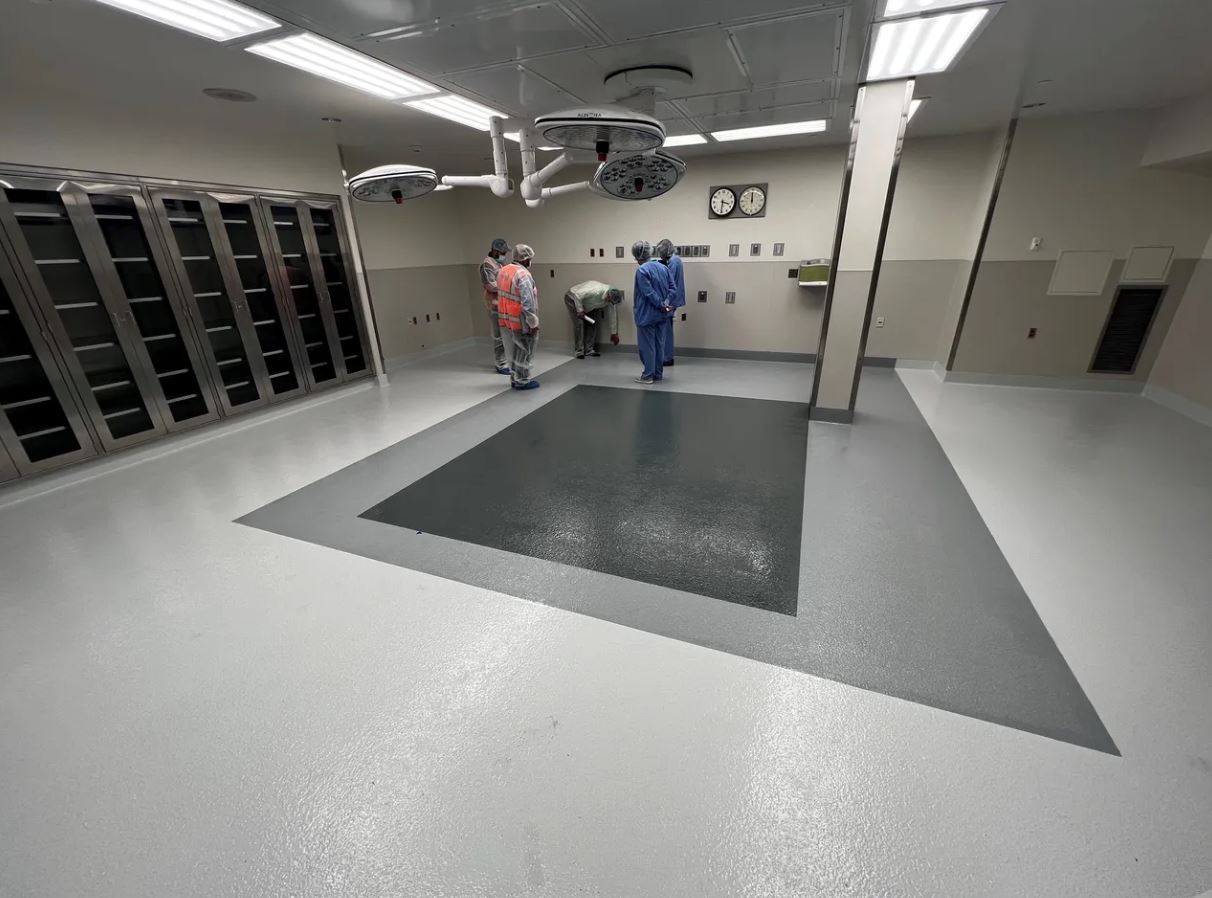
Epoxy floor performance matters for Denver properties. This is true whether you own a home, run a business, or manage properties. Searching for a reliable Flooring Contractor in Denver homeowners trust for quality floor installation.. A durable, attractive epoxy floor can increase your property value. Also, it reduces maintenance costs.
For homeowners, a pro epoxy floor in the garage or basement means no stains from oil or cracks from freezing. For commercial property renters and owners, a good epoxy floor makes your space look professional. This can attract more customers and keep tenants happy. Happy tenants mean fewer problems and better retention.
Property management companies should pay attention. Great epoxy flooring can be a selling point for renters. It shows you care about the property. Less wear means fewer repairs and lower costs.
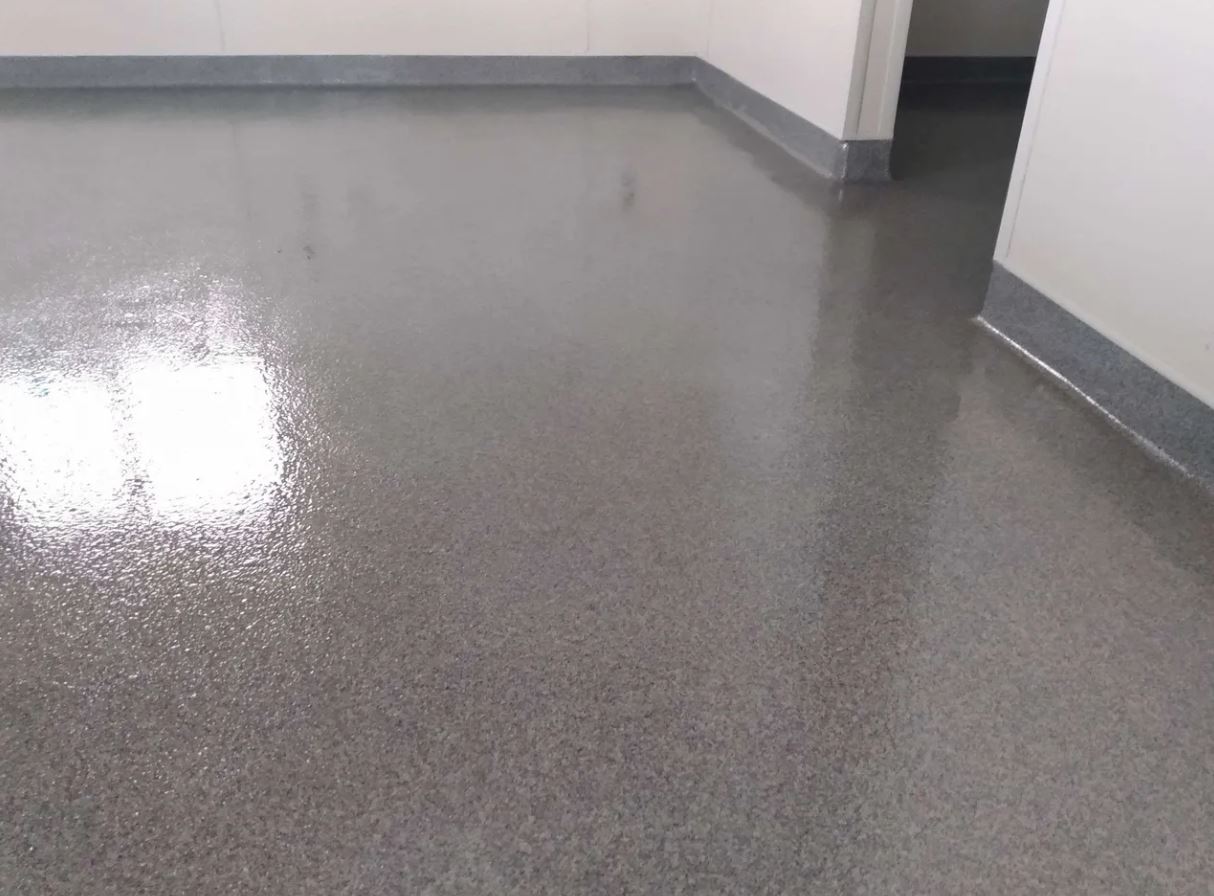
Remember that installation is key. Flooring Contractor Denver knows how to prep the surface, apply the coating, and cure it. This gives you a 10 to 20 year lifespan, even with heavy use. A bad install can cause peeling and bubbling. Getting it right is worth it.
Epoxy flooring is a coating on concrete that boosts durability and appearance. Think of it as tough floor protection.
Installation has key steps. First, prep the concrete. Clean and roughen it so the epoxy sticks. Then, mix and apply the epoxy in layers, like painting with thick material. Finally, give it time to cure, so it hardens.
Why pick epoxy? It resists stains, cracks, and moisture. That matters, especially in places with temperature swings and snow. Also, it handles heavy use well, which works for garages or commercial spaces.
Epoxy holds up well versus other flooring. Tile can crack, and carpet gets stained, but epoxy lasts. For homeowners, it's good for basements and garages. For businesses, it's great for showrooms or warehouses where you need something tough that still looks good. It can last 10 to 20 years, so it’s a good investment if installed right.
Abrasion resistance measures how well an epoxy floor handles friction. Consider foot traffic, vehicles, and moving equipment. If your epoxy floor isn't abrasion-resistant, it will scratch and degrade faster. This is a problem in places like Denver warehouses or busy retail spaces where floors see heavy use. No one wants a floor that looks worn after a year.
Denver sees temperature changes and wear from heavy use in garages. This makes abrasion resistance important. The freeze-thaw cycle can weaken epoxy, making it more open to damage. A floor that can handle the elements and constant use will last longer and save money. It's an investment in floor life.
ASTM D4060 measures abrasion resistance. These tests use a machine to rub a wheel against the epoxy surface for a number of cycles. The amount of material worn away is measured. Lower weight loss means better abrasion resistance. Paying attention to these standards helps you get a product that will perform as promised.
Abrasion resistance impacts how long your epoxy floor lasts. A floor that resists scratching will keep its look for years. This is key for high-traffic areas where use can degrade a weaker coating. Choosing an epoxy with good abrasion resistance helps make your flooring last.
A durable epoxy floor means lower maintenance costs. Because it's less prone to damage, you won't need to repair or replace it as often. Regular cleaning is still important, but you won't deal with scratches or worn patches. This saves time and money, making it a smart choice for owners seeking a long-term flooring choice.
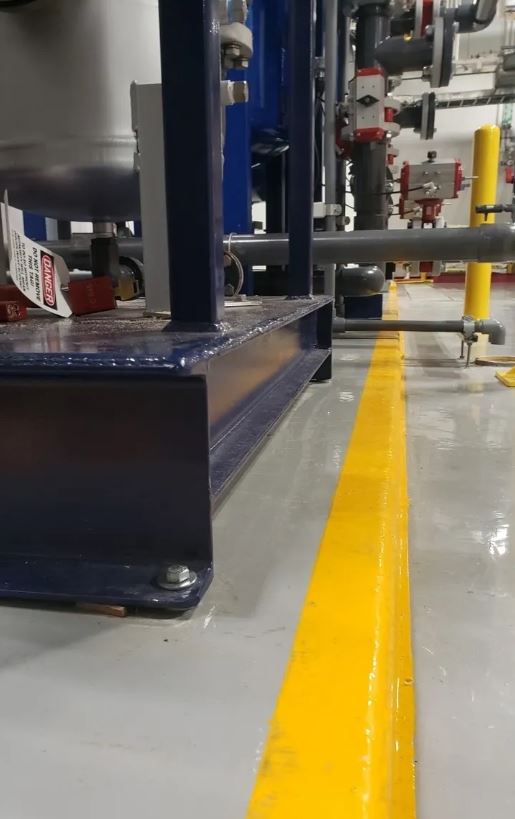
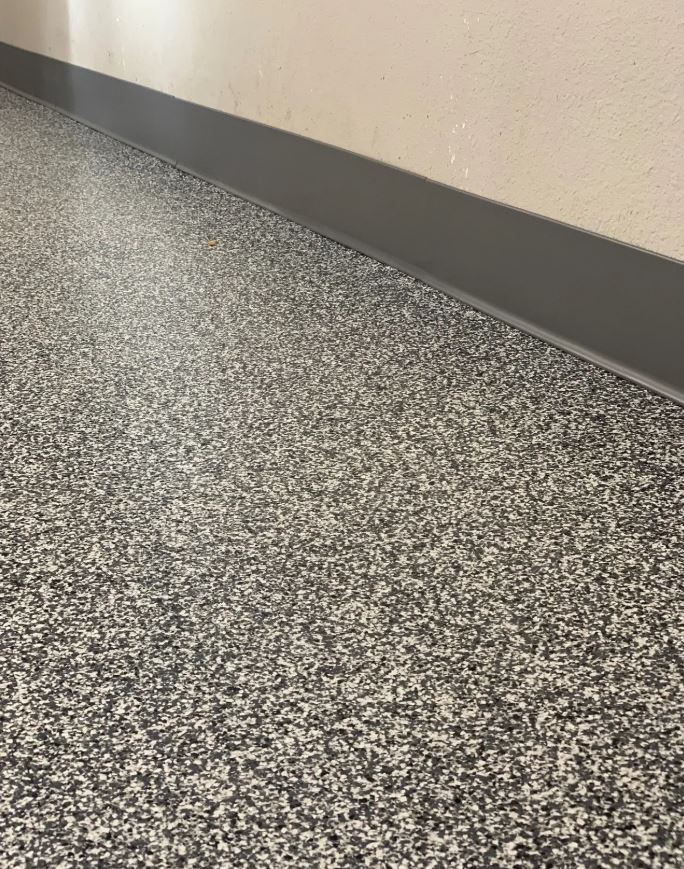
Let's discuss impact resistance. This is important if you put epoxy in a garage, warehouse, or anywhere items drop or get dragged. Impact resistance tells you how well the floor handles a sudden hit without cracking.
Consider this: dropping a tool or dragging equipment adds up. If your epoxy is weak, you will see damage fast. This is not just ugly; it can hurt the coating.
Tests exist for this. ASTM D2794 is one. It drops a weight from heights onto the coated surface to see how much force it takes before failing. These tests help makers rate their items and allow you to compare epoxies.
Why does this matter? A good epoxy floor is an investment. You pay for something that should last. If it cannot handle hits, you waste money. Cracks let in moisture, which damages the concrete. Plus, repairs are a pain and costly. So, ensure your epoxy has good impact resistance to protect your floor and save money, whether you are a homeowner or manage property.
Essential Checklist for Professional Epoxy Flooring Application
Chemical resistance matters, especially in places like Denver. Consider garages, warehouses, or industrial spaces. Spills occur! Cleaning agents and solvents can harm a floor without protection.
You need a floor that can handle spills. Chemical resistance has different levels. It's not a simple yes or no.
Tests like ASTM D1308 show how well a floor handles chemicals. The tests expose the floor to substances and watch what happens. Does it stain, soften, or break down? You want a floor that holds up.
A chemically resistant floor is easier to clean. This helps with hygiene, especially in commercial kitchens or medical facilities. Also, it stops damage. Chemicals that soak into the floor can weaken it and cause cracks.
Investing in a chemically resistant epoxy floor means investing in a floor that lasts. It keeps its look and protects the concrete from damage. This saves money and prevents problems. Who doesn't want that?
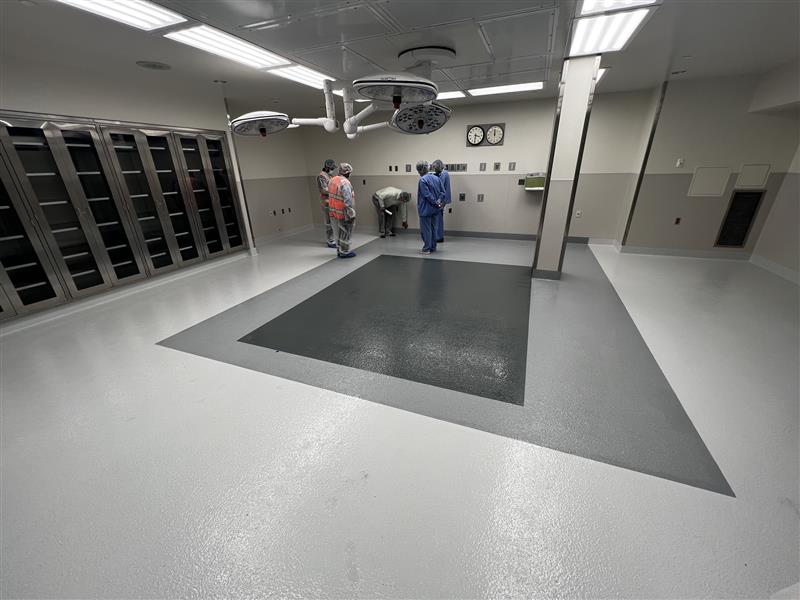
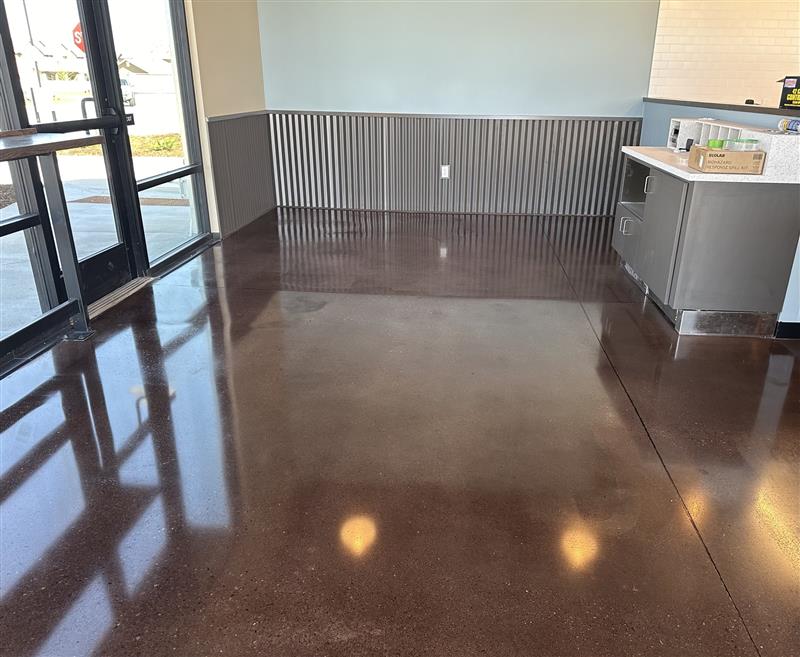
Slip resistance matters, especially in commercial buildings or places that might get wet. It measures how well a floor prevents slips and falls. This is a big deal for safety.
Consider a restaurant kitchen, hospital hallway, or your garage after rain. Slippery epoxy floors invite accidents, and no one wants that.
Tests measure slip resistance. One common test is ASTM D2047. This test uses a machine to measure the static coefficient of friction, or how much force it takes to start something sliding on the floor. A higher number means a more slip-resistant floor.
Why does this matter? If you own a business, you must keep customers and employees safe. Slippery floors can cause injuries and lawsuits. Denver also has safety rules, so your floors must meet those standards.
Slip resistance is also good at home, especially on patios or in basements where moisture can be a problem. It is an easy way to avoid accidents. When you choose an epoxy floor, think about how safe it is.
Adhesion strength matters a lot. It's like the glue for your epoxy floor. It shows how well the epoxy grips the concrete below. A weak bond means trouble later.
How do you test it? Contractors use tools to measure pull-off strength. They glue a metal disk to the epoxy and pull it off with a machine. The force needed to break the bond shows the adhesion strength.
Here is why surface prep matters. You can't put epoxy on a dirty or uneven floor and expect it to stick. Grinding, cleaning, and patching are important. Skip them, and the epoxy won't bond well. This leads to bubbles, peeling, and a floor that fails fast.
Poor adhesion costs money. You will pay for repairs or a redo. Prep the surface right for a floor that lasts. Skimp on it, and you will regret it.
Volatile Organic Compounds (VOCs) matter when you pick an epoxy floor. VOCs are gases released from some solids or liquids. Some epoxy products release them during and after installation.
Here is why this matters: VOCs can cause health problems. These include eye, nose, and throat irritation, headaches, and long-term issues with exposure. Also, they add to air pollution.
The good news? Low-VOC and zero-VOC epoxy options exist now. These are better for indoor spaces, especially if you are sensitive to chemicals or worry about air quality. They work just as well, so you get a strong, nice floor without the harmful emissions.
Next steps? In Denver, people want sustainable buildings. Picking low-VOC or zero-VOC epoxy helps. More people want options that are easy on the environment. This is a smart choice for your health, the environment, and it is becoming the standard.
Chemical resistance refers to the floor's ability to withstand exposure to various chemicals, such as acids, alkalis, solvents, and oils, without degradation. This is a vital consideration in environments where chemical spills or exposure are likely. Excellent chemical resistance prevents staining, softening, or other forms of damage that could compromise the floor's integrity and appearance.
Impact resistance assesses the floor's capacity to endure sudden, forceful impacts without cracking or chipping. This is particularly important in industrial or commercial settings where heavy objects may be dropped or dragged across the surface. Adequate impact resistance prevents damage that could compromise the floor's functionality and safety.
A critical metric, abrasion resistance measures the floor's ability to withstand wear and tear from foot traffic, equipment, and other abrasive forces. High abrasion resistance ensures the epoxy floor maintains its appearance and structural integrity over time, reducing the need for frequent repairs or replacements. Regular testing using standardized methods is crucial for evaluating and comparing different epoxy formulations.
Even the best epoxy flooring will fail if installation is poor. A great engine needs a skilled mechanic.
What does proper installation involve? A few steps matter most. First, surface prep is key. Clean and grind the concrete to create a surface where the epoxy can bond. Skip this, and the epoxy may peel.
Next is mixing. Measure and mix the epoxy parts as directed. Wrong ratios mean the epoxy won't cure right, and it will stay soft and sticky. Then comes application. Apply the epoxy evenly, usually with a squeegee and roller. Finally, curing lets the epoxy harden fully. Temperature and humidity matter here.
Choosing the right Denver contractor also matters. Find someone with certifications from trusted groups. How long have they installed epoxy floors? Check their work history and ask for references. Read online reviews to see what others say. A good contractor knows epoxy installation well and can ensure a lasting floor.
Taking care of your epoxy floors helps you get the most from them. Think of it as protecting an investment. Regular cleaning is the first step. Sweep up dirt and debris often. Then, mop with a mild detergent. Avoid harsh chemicals, especially anything abrasive, because they can dull or damage the finish.
In Denver, winter salt is a challenge. This can harm any floor, including epoxy. So, clean more often during the snowy months. Wipe up any salt residue quickly. Consider using mats at entrances to trap salt before it gets tracked onto the floor.
Preventive steps help too. Use furniture pads under heavy items to prevent scratches and dents. Clean spills quickly to avoid damage. Also, be careful when moving heavy objects across the floor. A dropped tool can chip the surface.
Aim for a deep clean every few months. Inspect the floor often for any wear. If you see cracks or damage, fix them quickly. Small repairs are easier and cheaper than replacing the whole floor. Owners who take care of their floors will see them last for years. Skip maintenance, and you risk a shorter life for your floor.
Let's examine real-world examples of epoxy flooring in Denver. We will look at residential garages, busy commercial spaces, and tough industrial spots. Epoxy does make a floor look good, but it also provides lasting results.
A homeowner in Cherry Creek had concrete that cracked and stained. An epoxy coating made the floor easy to clean and resistant to oil. It also looks better and protects the concrete.
A downtown restaurant kitchen needed a floor for spills, foot traffic, and cleaning. Epoxy gave them a smooth, solid surface that is durable and meets health rules. They now spend less time and money on cleaning.
A manufacturing site near the airport needed a floor for heavy machines and spills. Epoxy gave them a strong, chemical-safe surface that made things safer with better grip. Less downtime for floor fixes has saved them money. These cases show how epoxy flooring gives real pluses in different areas: lasting quality, cost cuts, better safety, and a nicer appearance.
When we discuss how well your epoxy floor works, watch for a few things. First, consider abrasion resistance. How well does it handle foot traffic, equipment, and wear? You don't want it to scratch or wear away fast.
Next, there's chemical resistance. This is important, especially in garages or commercial spaces where spills happen. Can it handle oil, solvents, or other chemicals without staining or breaking down? Also, check impact resistance. Can it take a hit without cracking or chipping? And, adhesion is key. Is the epoxy bonded to the concrete? If not, you'll have peeling or bubbling later.
Don't skimp on materials or the installer. Use good epoxy and a contractor who knows their stuff. It might cost more now, but it will save you trouble (and money) later.
Think of epoxy flooring as an investment. A good epoxy floor looks great and adds to your property's worth. It also lowers maintenance costs because it's easy to clean and makes the space work better. For Denver property owners, that lasting build is key with our freeze-thaw cycles, so do it right.