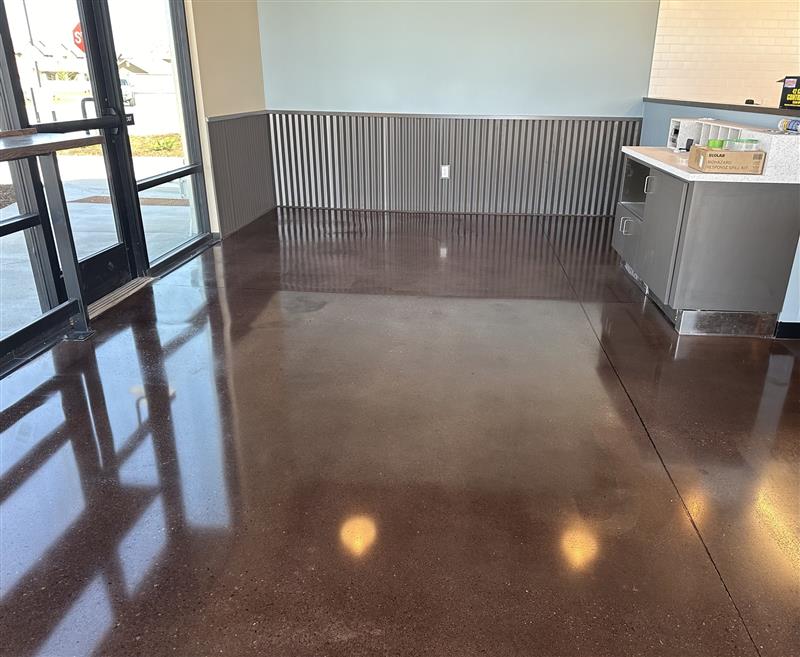
Resinous floor coatings matter in Castle Rock for homes, businesses, and new builds. They protect concrete and improve its look, but coatings differ, and concrete floor restoration is sometimes needed. Want to hire Castle Rock Flooring Contractor that delivers quality results.. How do you know if you're getting value? Key metrics help.
Floors endure a lot. They must handle foot traffic, spills, and maybe heavy equipment. Property managers want durability and easy cleaning. Homeowners might prioritize appearance. Builders need a great look that lasts.
That's why assessing performance matters. We need to measure how well a coating lasts. Abrasion resistance, or how well it resists scratches, and chemical resistance are key. No one wants stains or damage from cleaners. And when the concrete has been damaged, you need to look at concrete floor restoration.
Adhesion also matters. Does the coating stick to the concrete? If not, it peels, which is bad. Also, consider impact resistance. Will it crack if something heavy falls on it? These concerns affect floor life and appearance. Ignoring them can cause costly repairs.
Let's discuss concrete floor restoration. If you own a home in Castle Rock, you might have cracked or stained garage floors. Are you a real estate investor? You might have a fixer-upper with neglected concrete that requires a facelift to attract renters or buyers. Small business owners often see high-traffic areas wear down concrete surfaces. Property managers juggle multiple properties, each with flooring problems that need quick fixes. Builders need lasting concrete flooring for new construction.
Restoring concrete floors does more than make them look good. It fixes structural issues. Cracks let moisture in, which causes bigger problems. Proper restoration improves the floor's integrity, prevents damage, and extends its life. Safety is also a factor. Uneven or damaged concrete can cause trips, especially in commercial spaces. A well-kept floor looks better, which can improve your property value or your business's image.
Ignoring concrete floor issues can mean costly repairs later. A small crack is easy to fix. If you ignore it, it can become a major structural problem that needs expensive work. Restoration is an investment that prevents bigger problems and keeps your property valuable.
Proper surface preparation matters for a good resinous floor coating. This means cleaning the concrete, removing old coatings, and fixing cracks. Skip this, and the new coating won't stick, leading to peeling. Grinding and chemical etching help create a clean surface. It takes work, but it pays off.
Adhesion strength shows how well the coating sticks to the concrete. This helps prevent peeling, especially where there is a lot of traffic. Testing involves measuring the force needed to pull the coating off the concrete. Stronger bond? More durable floor. Weak bond? Problems ahead.
Abrasion resistance is the coating's ability to handle wear from foot traffic. This matters in factories where floors get heavy use. The Taber test shows wear over time. Coatings with good abrasion resistance look good and work longer. This is important for warehouses.
Chemical resistance is the coating's ability to handle chemicals like acids. This is key where spills are common, like in labs. You test this by exposing the coating to chemicals and watching for changes. Pick a coating that can handle the chemicals in the area. Do not forget chemical compatibility!
Impact resistance measures the coating's ability to handle impacts from dropped objects. This is important where floors take a beating. A drop test measures this. Coatings that resist cracking are best. This is a must in areas with heavy machinery.
Let's discuss how well these coatings hold up. After all, that's what matters. You need to know if the floor will look bad in a year. We're talking about abrasion resistance. This is how well a coating handles being scuffed. Consider garage floors. They get a beating from cars, tools, and projects. You need a coating that can handle daily wear.
These metrics are measured using tests like the Taber abrasion test (for abrasion), the Gardner impact test (for impact), and pencil hardness tests (for scratch resistance). You'll see these numbers on the product data sheets. Pay attention! They'll give you a good idea of how the coating will perform. Ignoring these ratings is a mistake. You’ll end up with a floor that needs repairs sooner than it should.
Next, consider impact resistance. Can the coating handle something heavy dropping on it? What about a tool or a box? If not, you'll deal with chips and cracks fast.
Scratch resistance also matters, especially in commercial spaces. Think about customers dragging chairs or moving displays. A coating that scratches easily will look worn down fast. No one wants that.
When you restore concrete floors, consider what the floors face. Chemical resistance matters. Garages, for example, have automotive fluids like oil and brake fluid. These can damage a floor coating that isn't strong enough.
It's not just garages either. Homes have cleaning agents and household chemicals. A floor coating should resist these. Otherwise, you will see stains, discoloration, and breakdown.
Consider stain resistance too. Even if a chemical doesn't harm the coating, it can still leave a stain. This brings us to ease of cleaning. Floors that are easy to clean look good longer. No one wants to scrub for hours to clean up a spill.
Restoring concrete floors means protecting them from daily wear and chemical exposure. If you skip this, you create future problems.
Concrete floor fixes matter, especially for floors that last and look good. We're talking about reviving concrete, fixing damage, and prepping for a new coat or making it look presentable. It's more than slapping on a coat.
Why do it? It extends the floor's life. Damage worsens, and fixes stop that. Plus, there is safety. Nobody wants to trip. And a restored floor looks better and boosts property value.
How is it done? It starts with cleaning to remove gunk and old coats. Then comes patching and crack repair. Grinding levels things. Finally, apply a concrete hardener before any coats.
One mistake is skipping prep work. If you don't clean and repair well, any coat will fail. Another is picking the wrong stuff. You need products that work with the concrete and the floor's use.
If you skip fixes and keep coating damaged concrete, you're putting a band-aid on a problem. The issues worsen, and you'll face a costlier repair. Doing it right saves headaches later.
Concrete floor restoration does more than improve appearance. It prevents bigger problems. Think of it as maintenance for your foundation. Restoration means fixing cracks, patching holes, and leveling surfaces. Why do this? Damaged concrete can cause moisture problems, which leads to mold. No one wants that.
A sound floor is a safe floor. Trip hazards from cracks vanish with restoration. A restored floor looks better and increases property value. When should you restore? If you see cracks or wear, call a pro.
How does it work? First, damage assessment. Then, surface prep. Next, patching, leveling, and sealing. A common mistake? Skipping prep work. Without proper cleaning, repairs fail. What if you ignore problems? Damage worsens, costing more later. Addressing issues early saves time and money.
When you consider concrete floor restoration, think about the look you want. Resinous coatings provide aesthetic control.
Color is one factor. You can use solid colors or custom blends. You can even add decorative flakes for a terrazzo look. Gloss level also matters. Do you want a high-gloss finish or something more matte? Texture is another option. You can add slip resistance for safety. This is important in commercial spaces or homes with kids or older adults.
For homeowners, this means you can get a modern, polished concrete look without the hassle of polishing concrete. Plus, you can match your floors to your decor.
What about business owners? Think about branding. You can incorporate your company colors or logo into the floor. Property managers should consider the wear. Resinous coatings resist heavy foot traffic and are easy to clean. This keeps your property looking good longer. Resinous coatings let you get the look and feel you want. It's about creating a space you love.
Let's talk about concrete floor fixes. It's not just about looks, though that's a plus. It's about keeping the floor safe, which saves trouble (and money) later.
Concrete gets beat up. Cracks, chips, stains all add up. Ignoring these? You get bigger problems. We're talking safety risks and a floor that wears out fast.
Fixing it involves steps. First, cleaning to get rid of grime. Then, fixing damage by patching cracks and leveling spots. After that, it’s often about a coating. This makes the floor look better and protects it from future harm.
Here is why this matters in Castle Rock. Think about the freeze-thaw cycle. Water gets into cracks, freezes, expands, and the cracks get bigger. Fixing prevents that. Also, a floor in good shape is safer for everyone.
What happens if you skip fixing? You're looking at pricier repairs later, or even a total replacement. No one wants that. A little work keeps your concrete floors in shape for years.
Let's talk about the real cost of resinous floor coatings. Think long-term, not just about the initial price.
Resinous coatings can seem more expensive than paint or polished concrete at first. But what about five or ten years later? You will be redoing that cheap paint constantly. Polished concrete is lasting, but it can stain and might need special cleaners.
Resinous floors can last for decades if installed correctly. Also, maintenance is usually simple: regular cleaning. Consider the labor costs of repainting every few years. That adds up.
Epoxy is another option. It's often cheaper than other resinous choices. However, epoxies can be less resistant to some chemicals and wear. This means you might need repairs or replacement sooner than with a better resinous system.
Do the math. Factor in lifespan, maintenance, and possible repairs. You might find that a slightly higher initial investment in a quality resinous coating saves money later. It's about value, not just today's lowest price.
Let’s talk about concrete floor restoration. Why do it? Over time, concrete gets beat up. Cracks appear, surfaces become uneven, and it doesn't look good. Restoration fixes that. We bring the floor back to life. It's not just about looks, though that’s part of it. It's about making sure the floor is structurally sound and safe.
Think about it: a cracked, uneven floor is a tripping hazard. Plus, cracks let moisture in, which causes bigger problems later, like foundation issues. Nobody wants that.
Restoration has a few steps. First, we grind the surface to remove old coatings or damage. Then, we repair cracks or imperfections with a concrete patching compound. After that, we might apply a self-leveling underlayment to create a smooth, even surface. Finally, we can apply a new coating, such as epoxy or polyurethane.
Here is why a common mistake is skipping steps. People might just put a new coating on top of a damaged floor. The problems underneath are still there, and they’ll reappear later. It's like putting a band-aid on a broken leg. It doesn't work.
If you don't restore your concrete floor properly, you risk safety hazards, further structural damage, and a much more expensive repair bill later. So, it's worth doing it right the first time.
Let's discuss concrete floor restoration. It isn't just about aesthetics; it's key for structural integrity and safety. A cracked or damaged concrete floor isn't just unsightly. It’s a liability. Moisture can seep in, which leads to mold. Cracks can worsen and require more costly repairs later. So, restoration extends the life of your flooring in a home, office, or warehouse.
How does it work? The process often involves patching cracks, grinding uneven surfaces, and applying a concrete overlay or sealant. For severe damage, we might reinforce the concrete with steel or carbon fiber. The biggest mistake is skipping prep work. You can't just coat a dirty, uneven surface and expect it to last. Proper cleaning, grinding, and patching are key for successful restoration.
Now, consider some local examples in Castle Rock. For example, the auto shop on Wilcox Street had floors stained with oil and cracked from heavy equipment. We restored their floors with a chemical-resistant epoxy coating. It improved the shop's look and made the floors easier to clean. This prevented further damage from spills. Also, the bakery downtown had issues with moisture seeping up through the concrete slab. We installed a moisture barrier before applying a decorative quartz epoxy. The result? A beautiful, durable floor that handles constant foot traffic and spills in a commercial kitchen.
You're looking at concrete floor restoration. Why does it matter? Over time, concrete gets beat up. Cracks, chips, and stains add up. Restoring the floor isn't just about looks. It fixes structural problems. Ignore cracks, and moisture can seep in. This leads to bigger issues, like foundation problems.
How do you restore it? First, clean it. Really clean it. Then, repair any damage. Patch cracks and level uneven spots. Then think about coatings.
Picking the right coating matters. Think about how the floor is used. Is it a garage where you drop tools? You need something tough, like epoxy. Is it a showroom where looks matter? Maybe a decorative coating.
Here’s a quick checklist:
Ignoring moisture is a mistake. If you seal a damp floor, you trap moisture. This will ruin your coating. Take time to do it right, or you’ll redo it soon.
Taking care of your resinous floor coating matters, especially in Colorado. We get lots of snow, which means salt and de-icers get tracked inside. Mud and sand add to the wear if you aren't careful.
Regular cleaning helps. Sweep or vacuum to remove grit. Mop with a gentle cleaner. Avoid harsh chemicals. They can dull the finish or harm the coating.
Also, prevent damage. Use mats at entrances to catch dirt and moisture. Furniture pads help, so put them under everything. Clean spills right away, and don't let them stain.
Even with care, small damage can happen. For small scratches or chips, use a touch-up kit. For cracks or major damage, call a pro. Small problems can become big, costly repairs later. Think of a windshield chip: fix it, or it will become a crack.
Simple upkeep makes a difference. You will extend your floor's life, keep it looking good, and save money. Who doesn't want that?
Let's address some common questions about resinous floor coatings in Castle Rock. A frequent question concerns concrete floor restoration. What is it, and why do it?
Concrete restoration means fixing your current concrete floor. Concrete cracks, chips, and deteriorates over time. Perhaps it was installed poorly, or time took its toll. Restoration revives it.
Why is this important before a resinous coating? Think of it like this: you wouldn't paint over peeling wallpaper, right? Same idea. If the concrete isn't solid, the resinous coating won't last. Cracks can show through the new coating and cause it to fail. A damaged floor is also unsafe.
Restoration has a few steps. First, we grind the surface to remove loose material and expose cracks. Then, we fill cracks with a special patching compound. If the damage is severe, we might reinforce the concrete with steel fibers or an overlay. Finally, we grind the surface again to make it smooth and ready for the resinous coating.
Skipping this step is a common error. People think they can apply a coating and be done. But it'll cost you more later. You'll get a coating that cracks, peels, and looks bad. Doing it right from the start with proper restoration ensures a lasting, attractive floor.
Concrete floor restoration matters, especially for floor longevity. Concrete can crack, chip, and deteriorate over time. Restoration fixes these issues, which makes the floor stronger and safer. Plus, it improves the look. No one wants an ugly, damaged floor.
There are several ways to restore a concrete floor. Patching cracks is one way, and grinding the surface to remove flaws is another. Sometimes, a concrete overlay is needed to create a new surface. The right way depends on the floor's condition. Ignoring these issues can cause bigger problems, like structural damage and safety risks. It's not just about looks; it's about protecting your investment.
Resinous floor coatings offer many benefits. They guard against chemicals, resist wear, and can be customized. But not all coatings are equal. Evaluating performance metrics like abrasion resistance, impact strength, and chemical resistance matters. Getting this wrong can mean the floor fails sooner, costing more money.
Ready to begin? Contact us for flooring services in Castle Rock. We can help you choose the right coating and ensure proper installation.