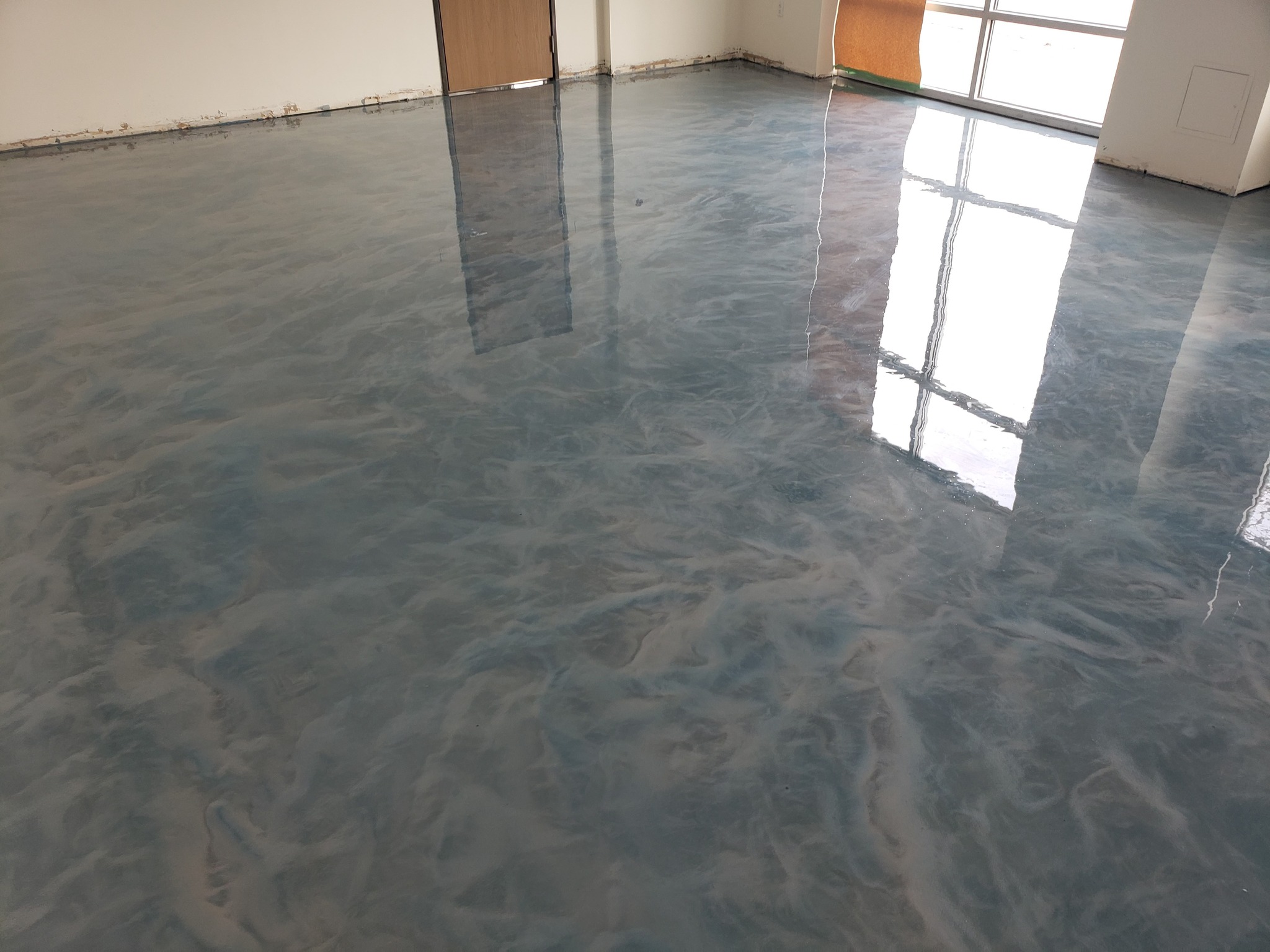
Concrete floors are popular now, and for good reason. They look great and offer a modern style that works in homes, offices, and stores. Plus, they are tough. But even the toughest concrete floor needs care to keep looking its best. That is where restoration comes in.
Think of concrete floor restoration like car care. You would not skip oil changes, right? The same is true for your floors. Over time, concrete can crack, stain, and lose its shine. Maybe you have seen dull concrete floors that just look sad. Restoration is not just about looks, though. It is about protecting your investment. By fixing problems early, you keep small issues from becoming major headaches (and costly repairs) later. This extends the life of your flooring, keeps it safe for everyone, and keeps that beautiful look that made you choose concrete.
For property owners and businesses in Castle Rock, keeping those concrete floors in top shape is smart. It boosts property value, makes a good impression, and ensures a safe space. What about ignoring restoration? You risk safety issues, costly repairs, and a floor that does not look as good as it should. Searching for Local Flooring Contractor Castle Rock you can trust for professional service.. Let's keep those Castle Rock concrete floors looking their best!
Concrete floor restoration involves more than mopping or patching. It's a complete overhaul to revive your concrete floors. It addresses underlying issues, not just surface appearances.
Why do this? For Castle Rock homeowners, it can increase home value and create a modern look. Investors can attract better tenants and increase rents with lasting, attractive floors. Business owners get a safer, more professional space that handles heavy traffic. Builders gain an advantage by offering concrete floor restoration, satisfying clients who want lasting, low-maintenance flooring.
Restoration handles surface flaws and structural problems. This includes filling cracks, fixing spalling (when the surface flakes), grinding uneven spots, and applying strong coatings.
Skipping restoration for a quick fix seems cheaper at first, but it’s a bad idea. Ignoring problems leads to bigger, costlier issues later. A restored concrete floor can last for years, saving money and trouble. It’s an investment in your property’s long-term integrity and look.
Restoring concrete floors improves the look of any space. Dull, stained concrete becomes a sleek, polished surface. It reflects light and makes a more inviting space. For Castle Rock homeowners who want to update their homes, or business owners who want to impress clients, this look is helpful. You can also pick from staining and finishing options to match your style. It’s a simple way to add visual appeal.
Restored concrete impacts property value. Buyers or renters notice flooring. Well-kept concrete shows quality. Investing in concrete floor restoration can lead to a higher price and faster sale or lease. This helps real estate investors in Castle Rock who want to get the most money. Polished concrete is an asset that makes the property better.
Restoration improves the structure of concrete floors. Concrete can crack or chip over time. Restoration, like patching and sealing, fixes these issues. It makes the floor stronger and more resistant to damage. For Castle Rock businesses with lots of foot traffic, or families, this makes for savings and fewer repairs.
Think about the savings over time. Restoring concrete floors is often cheaper than replacing them. Restored concrete is also easier to keep clean. Sweeping and mopping are all you need to do. This makes for lower cleaning costs and less time spent on upkeep. This helps property managers and homeowners in Castle Rock. It's an investment that pays off.
Damaged concrete can be unsafe. Cracks and uneven surfaces can cause trips and falls. Restoring concrete floors gets rid of these risks by making a smooth surface. For Castle Rock businesses, this protects customers and employees. For homeowners, it makes a safer space for family and guests. Fixing these safety issues is a good step.
You're looking at a concrete floor and want to know if it needs work. What problems do you see? Cracks are a big one. Are they hairline or wide and deep? This matters for how you repair them. Stains are also common. Some stains are cosmetic, but others weaken the concrete, especially chemical stains. Check for surface issues, like pitting, scaling, or flaking. These can point to deeper damage.
You can look around and get a sense of the issues, but a professional assessment is key. A flooring contractor can evaluate the damage and find the best way to fix the floor. They will check moisture levels, the type of concrete, and structural issues. Why is this important? If you don't fix the cause, the problem will return. A pro can also help you pick the right repair methods and materials for a lasting fix. It's worth the cost to do it right the first time.
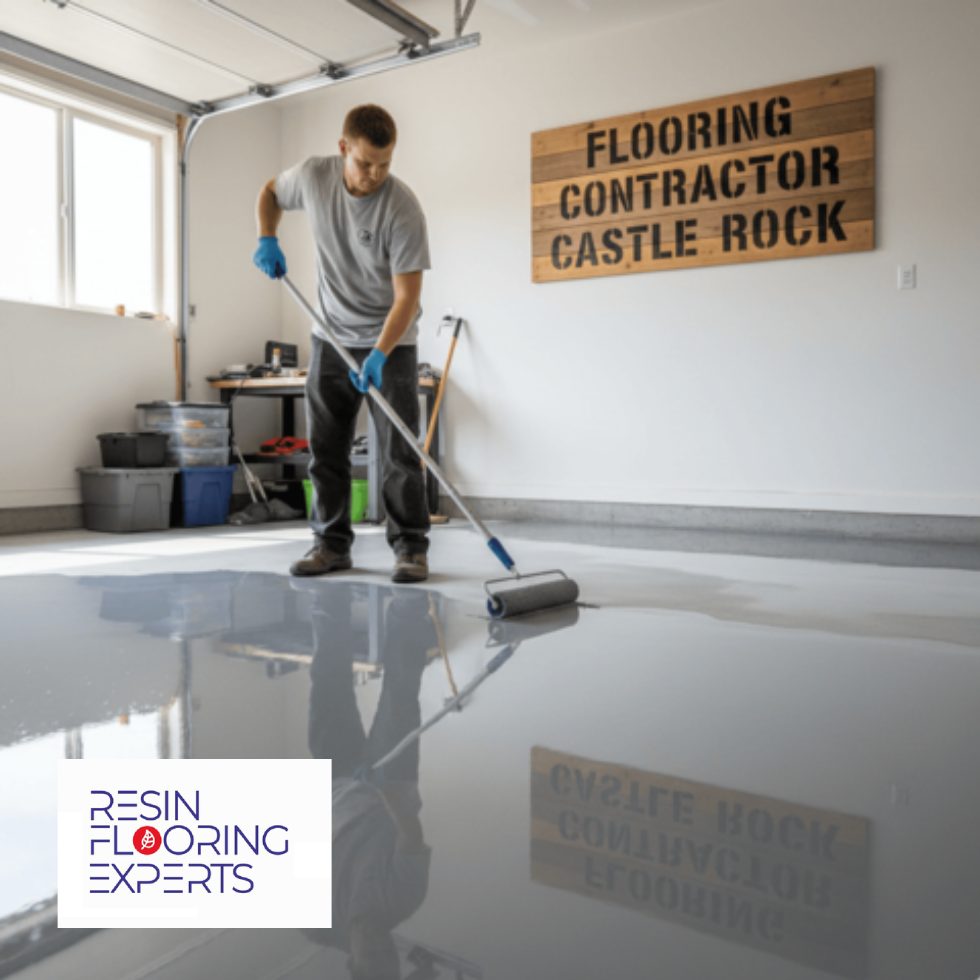
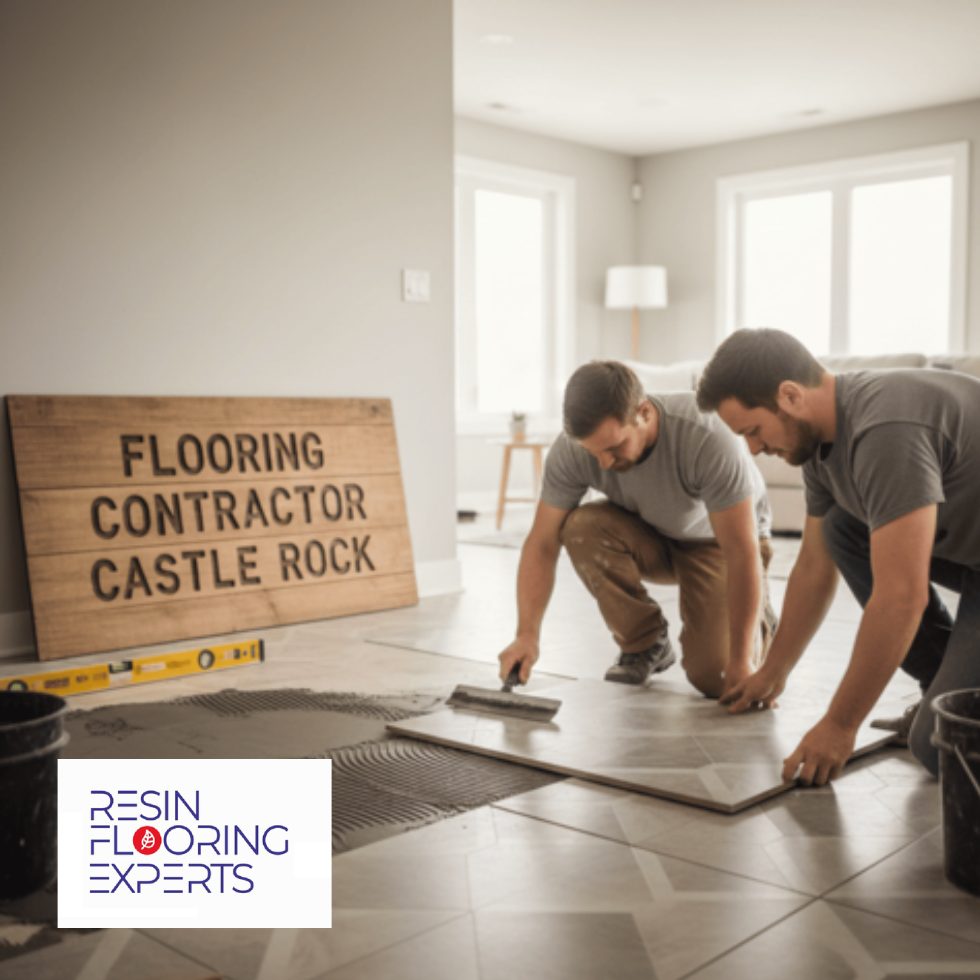
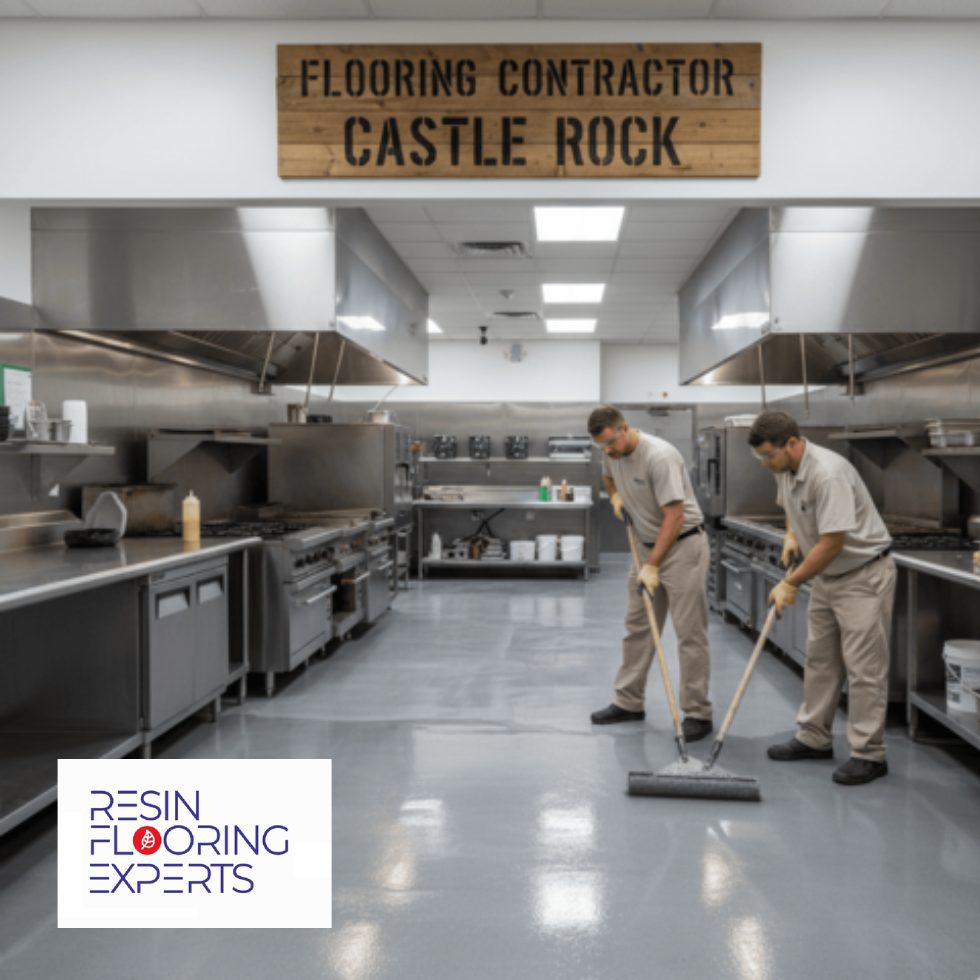
When you restore concrete floors, a standard process helps. First, prep the surface. This means a deep clean to remove dirt, grime, or old coatings. Grinding often smooths things and removes imperfections.
Next, make repairs. Look for cracks, chips, or spalling. Address these with patching compounds or epoxy fillers. If you skip this, those imperfections will grow.
Then comes polishing. Use diamond pads with machines to refine the surface. Start with coarser grits and work to finer ones, creating a smooth, shiny finish.
Staining is optional, but it can improve the floor's look. There are acid-based or water-based stains, each with unique traits. Choose the right one for the effect you want.
Finally, seal the concrete. A good sealer protects the floor from stains, moisture, and wear. It also improves the color and sheen. Acrylic, epoxy, and polyurethane sealers are common. The right choice depends on the protection level and look you want.
Skilled flooring contractors use concrete grinders, polishers, diamond pads, crack chasers, and moisture meters. It takes effort and the right tools to do the job right.
Looking to restore a concrete floor? There are several ways to do it. The best choice depends on your needs and desired look.
Concrete grinding is a common start. Abrasive tools smooth the surface, remove imperfections, and prep the floor. It levels the surface.
Polishing makes that smooth surface shine. Finer abrasives create a glossy finish. It is a great, durable option for a modern, clean look.
Staining adds character. Concrete stains add color without covering the concrete's natural texture. You can choose a subtle or dramatic look. Remember that stain is permanent, so choose carefully!
Epoxy coatings create a tough, protective layer. They resist chemicals, impacts, and wear. Epoxy is a good choice for high-traffic areas needing extra protection, like garages or workshops. You can get them in many colors and finishes.
Consider how you use the space, the floor's expected wear, and your style. Don't choose a method without considering everything.
You restored your concrete floor. Now you want it to look good and stay that way. Staining and sealing can help.
Staining concrete gives it a new look. You can choose a classic, natural style with earth tones or a modern look with grays and blacks. There are two main stain types: acid-based and water-based. Acid stains react with the concrete, creating a unique, mottled, lasting look. Water-based stains have more consistent color and are easier to apply. They are also better for the environment.
Once the stain dries, seal it. Sealer protects the concrete from spills, dirt, and wear. It is like a clear coat for your floor. Acrylic sealers are affordable and easy to apply, but not very tough. Polyurethane sealers are tougher and resist chemicals, so they work well in garages or busy areas. Epoxy sealers are the toughest. They create a thick, glossy finish, but they can be harder to apply.
Do not skip the sealer. The stain will fade, and your floor will be more open to damage. Applying multiple thin sealer coats works better than one thick coat. This helps prevent bubbles and ensures even coverage. Let each coat dry before you apply the next. This will make your floor look great and last longer.
You have restored concrete floors. Great! Now you want that restored beauty to last. It’s all about maintenance.
Regular cleaning matters. Sweep or vacuum to remove dirt or grit that can scratch the surface. For mopping, use a pH-neutral cleaner. Acidic cleaners, like vinegar, can damage the sealant.
Protection is also important. Use mats at entrances to trap dirt. Furniture pads are a must under chair and table legs to prevent scratches. Moving heavy stuff? Use a dolly. Do not drag it across the floor.
Spills happen. Clean them up fast. Oil, wine, or anything with strong pigments can stain. Blot; do not rub. Use a cleaner for the type of spill.
Finally, reseal. You’ll need to do this from time to time, based on floor traffic. A sealant protects the concrete from moisture, stains, and wear. How often? Every 1–3 years is a good guide. Check with your flooring contractor for a recommendation based on the sealant they used. If you skip resealing, the sealant wears away, and your concrete is open to damage.
When it comes to concrete floor restoration, you have two basic options: DIY or hiring a professional. Doing it yourself might seem less expensive at first. For very small, simple projects, it could work. But concrete work is hard.
Consider the equipment. You might need to rent a grinder, maybe a concrete mixer, and all the safety gear. Plus, there is a learning curve. If you grind incorrectly, you could end up with an uneven surface. If you apply the sealer wrong, you will have streaks or bubbles. These mistakes look bad. They can weaken the floor and increase repair costs later.
That is where experienced flooring contractors come in. They have the right tools, knowledge, and experience to do the job right. If you have a larger property or the project has any difficult aspects, such as cracks, stains, or uneven surfaces, hiring a professional is often the better choice. They can assess the damage, choose the correct restoration method, and ensure a lasting finish. Paying for expertise saves you money and trouble later.
Need a good contractor for concrete floor restoration? Don't pick the first name you see. This is important.
First, check their credentials. Are they licensed and insured? Don't skip this step. It protects you if something goes wrong. Ask for proof, and verify it.
Next, read online reviews. See what other people in Castle Rock are saying. Some reviews are fake, but a pattern of good or bad experiences is telling. Look on Google, Yelp, and the Better Business Bureau.
Here is why: get multiple quotes. Get three or four. Prices can vary. The cheapest option isn't always best. A super low price might mean they're cutting corners or inexperienced. Compare the quotes. What's included? What's not? Are they using a sealant? What kind? What's the warranty?
Trust your gut. Do they seem knowledgeable? Are they answering your questions clearly? Do they show up on time for appointments? If something feels off, don't ignore it. There are many contractors out there. Finding the right one makes a difference in getting a lasting, beautiful concrete floor restoration.
Let's talk about the money side of concrete floor restoration. What will it cost? A few things affect the price. The bigger the floor, the more you pay. More square footage means more labor and materials.
Then there is the damage. Are there just a few hairline cracks, or are there major craters? The worse the condition, the more work, and the higher the cost.
You also have the method you pick. Simple cleaning and sealing is cheaper than grinding and applying a new epoxy coating. Different methods have different prices. Explore those options to see what fits your budget.
Some people see the price and think, "Maybe I can patch it myself." Sometimes, that works. But concrete restoration is one of those things where cutting corners can cost you later. A professional knows how to assess the damage, prep the surface, and apply the right materials for a lasting fix. If you don't, the problem might return or get worse. Then you pay twice. Investing in professional restoration means investing in the long-term health of your floors. You will save money and headaches later, and you will be happy with the results.
Let's examine some real-world examples. Seeing before-and-after results shows why concrete floor restoration matters.
Consider a residential project, like a basement in Castle Rock. Perhaps it had a cracked, dusty concrete floor that was uninviting. After restoration—grinding, patching cracks, polishing, and sealing—it’s now a bright, usable living space. We add value to the home. It’s not just cosmetic. A sealed floor also reduces dust and allergens, which matters to homeowners.
Next, think about commercial spaces. Picture a small retail shop with a dull, stained concrete floor. Restore it, and the store feels cleaner and more modern. It affects how customers see the business. Also, a restored and sealed floor is easier to maintain, saving the business owner time and money.
Industrial settings differ, but the effect is just as big. Consider warehouses or factories where concrete floors get damaged. Restoration here isn't just about looks; it's about safety. Filling cracks and applying a lasting epoxy coating can prevent trips and falls, protect equipment, and extend the floor's life. Skip restoration in these environments, and you risk costly repairs and injuries. It makes sense.
Concrete floor restoration isn't too hard, but you can still mess it up. Let's discuss how to avoid mistakes. Fixing them later is a huge pain.
First, prep the surface. If you don't, any coating or sealant you add is in trouble. You must grind the floor the right way. Remove old coatings, dirt, and anything that stops your new layer from bonding. Think of painting: you wouldn't paint over peeling paint, right? It's the same here.
Next, consider the product. Using the wrong product is a common mistake. Not all concrete sealers are the same. Some work inside, some outside. Some handle heavy use better. Read the labels. Talk to a supplier. Don't just buy the cheapest option. That's a bad idea.
Finally, remember maintenance. Concrete floors are strong, but not unbreakable. Clean them often, reseal them when needed, and fix cracks or damage fast. Small problems become big fast if ignored. Regular maintenance makes your restored floor last longer and look good. Skip it, and you'll start over soon.
Concrete flooring keeps changing. Decorative concrete finishes are becoming more advanced. Now you can get the look of polished stone or stained wood, but with tough concrete.
Also, materials that are sustainable are gaining importance. More people are using recycled materials and sealants that don't hurt the environment. These look good and reduce your floor's environmental impact. That's a plus.
Restoration methods are also improving. New methods keep appearing. Micro-toppings can refresh a worn surface without replacing it. Self-leveling overlays can fix uneven floors fast. We always seek new restoration methods.
Why should you care? Staying current with these trends means you can give your clients great options. You can offer floors that look amazing, last longer, and help the planet. That helps you stand out, right? We want to be forward-thinking and lead the way.
What’s the main point? Concrete floor restoration is key if you want to keep your Castle Rock property looking great, avoid problems later, and maintain its worth. This is about more than looks, though that matters. It is about the long term.
Think about this: A cracked, uneven concrete floor looks bad. It is also unsafe and shows bigger structural problems. Ignoring these problems means bigger, costlier repairs later. Restoration addresses these problems directly, reinforcing the floor and stopping more damage.
If done well, concrete floor restoration can greatly improve how your space looks and feels. Polishing, staining, and adding protective coatings can turn a dull, gray slab into a nice, strong surface that matches your property's style. Also, a well-kept concrete floor is easier to clean, which saves you time.
Do not wait for cracks to get worse. If you see wear on your concrete floors, act now. Call us for a free meeting and quote. We will check your floor, talk about your choices, and help you plan a restoration that fits your needs and budget. Let's make your concrete floors beautiful!