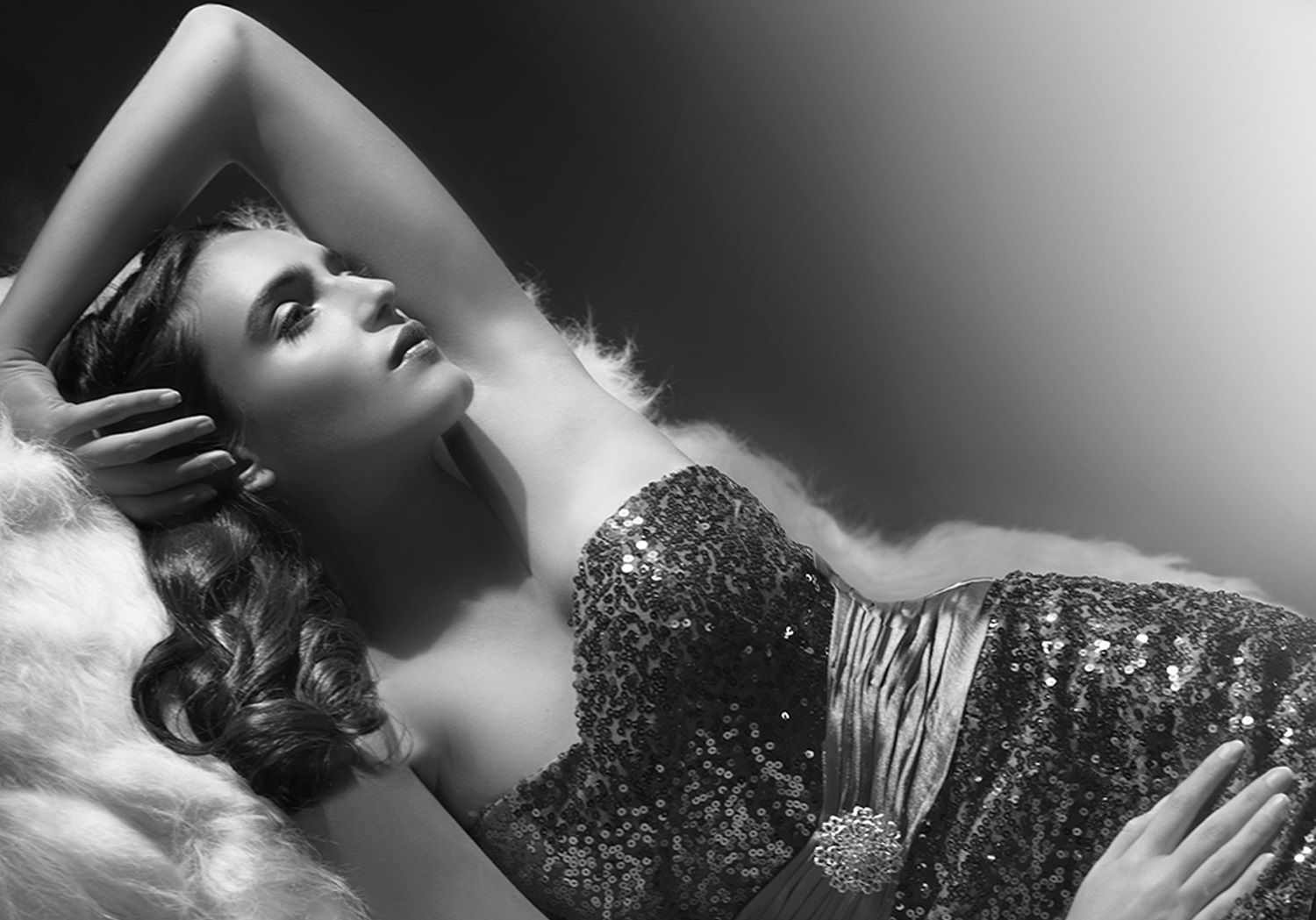
If you're trying to figure out how to find the best Boudoir Photography New York, don't start with Instagram likes. Start with the basics that decide whether you'll enjoy the experience or regret it.
Boudoir is personal. It can feel exciting and it can feel vulnerable, sometimes in the same minute. The "best" photographer is the one who can handle that professionally. Not the one with the loudest marketing.
Those points sound obvious. People ignore them anyway. Then they wonder why their photos feel stiff.
NYC is packed with photographers. The market is huge. The styles are all over the place. Some photographers are good at posing and lighting. Some are basically doing pretty sets and hoping you can self-pose. Some are amazing artists but not great at guiding nervous first-timers. Some are great with first-timers but their editing style is so heavy you don't recognize yourself.
So when you say "best boudoir photographer in NYC," you need a definition that helps you choose.
"The best boudoir photographer in NYC is the one whose process matches your needs and whose work matches your taste, while keeping you comfortable and in control."
That's it. Not glamorous. Just true.
A big signal on the Your Hollywood Portrait landing page is that they guide you throughout the shoot and that most clients are first-time clients. That matters because most people do not show up knowing what to do. Even confident people freeze when a camera points at them in lingerie.
A good NYC boudoir photographer does not just take photos. They direct:
If you read a website and it sounds like you're going to be left to "be yourself" without any structure, be careful. "Be yourself" is great in real life. In boudoir, it often turns into awkward pauses and stiff posing unless the photographer is actively coaching.
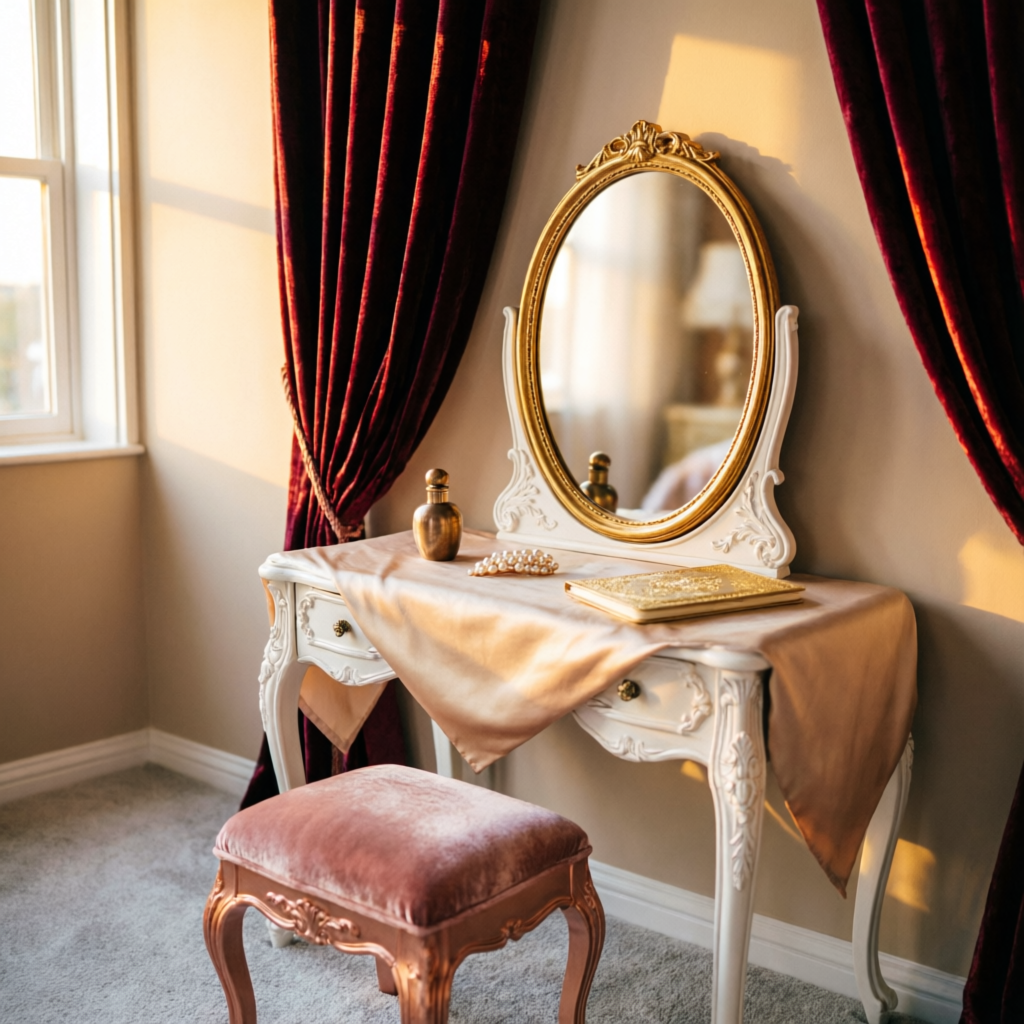
NYC logistics can ruin a shoot. If the studio is hard to find, crowded, noisy, or shared with other creatives coming in and out, your brain stays on alert. Your body posture changes when you're on alert. Your face changes too. Then you look at the photos and think you look uncomfortable. You did, because you were.
Your Hollywood Portrait mentions a studio in Dumbo, Brooklyn, about five minutes from Manhattan. That's a smart setup for a boudoir business because it hits two needs at once:
When you're evaluating photographers, ask yourself:
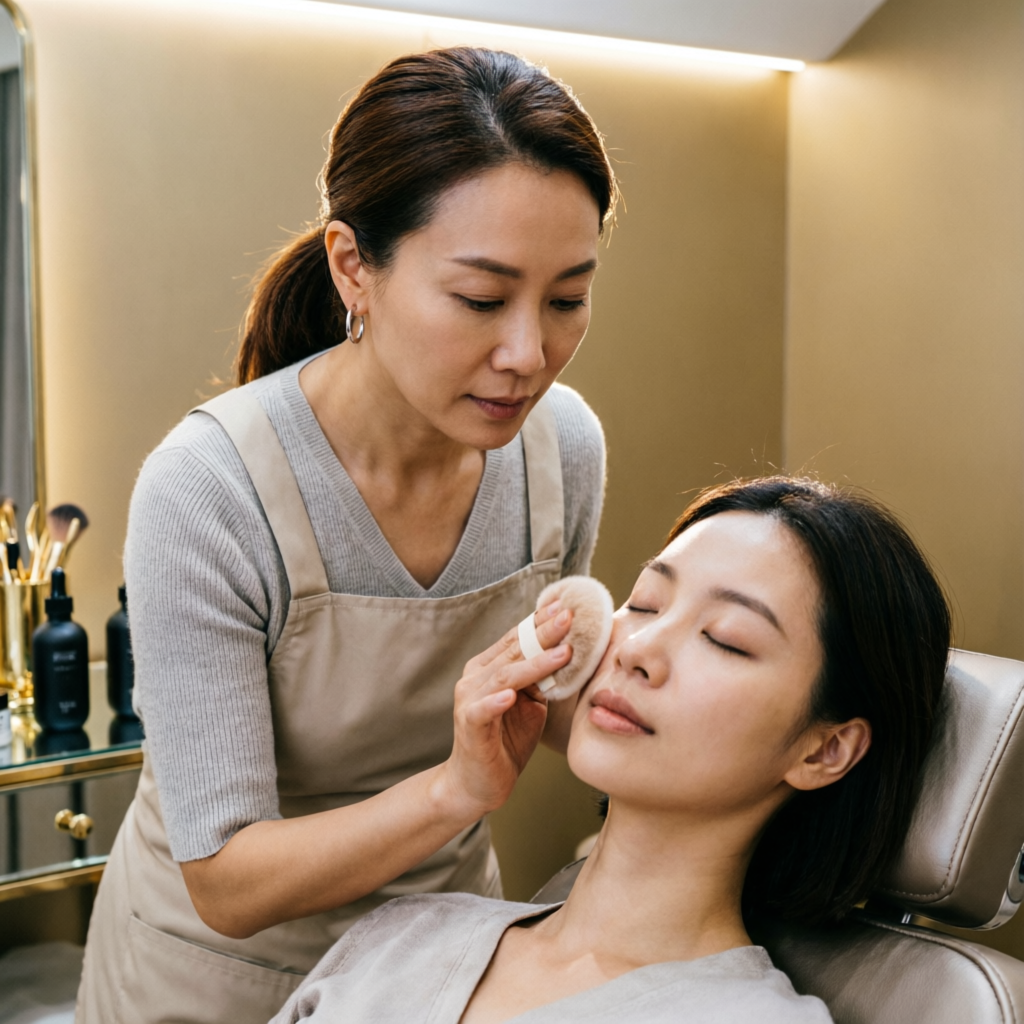
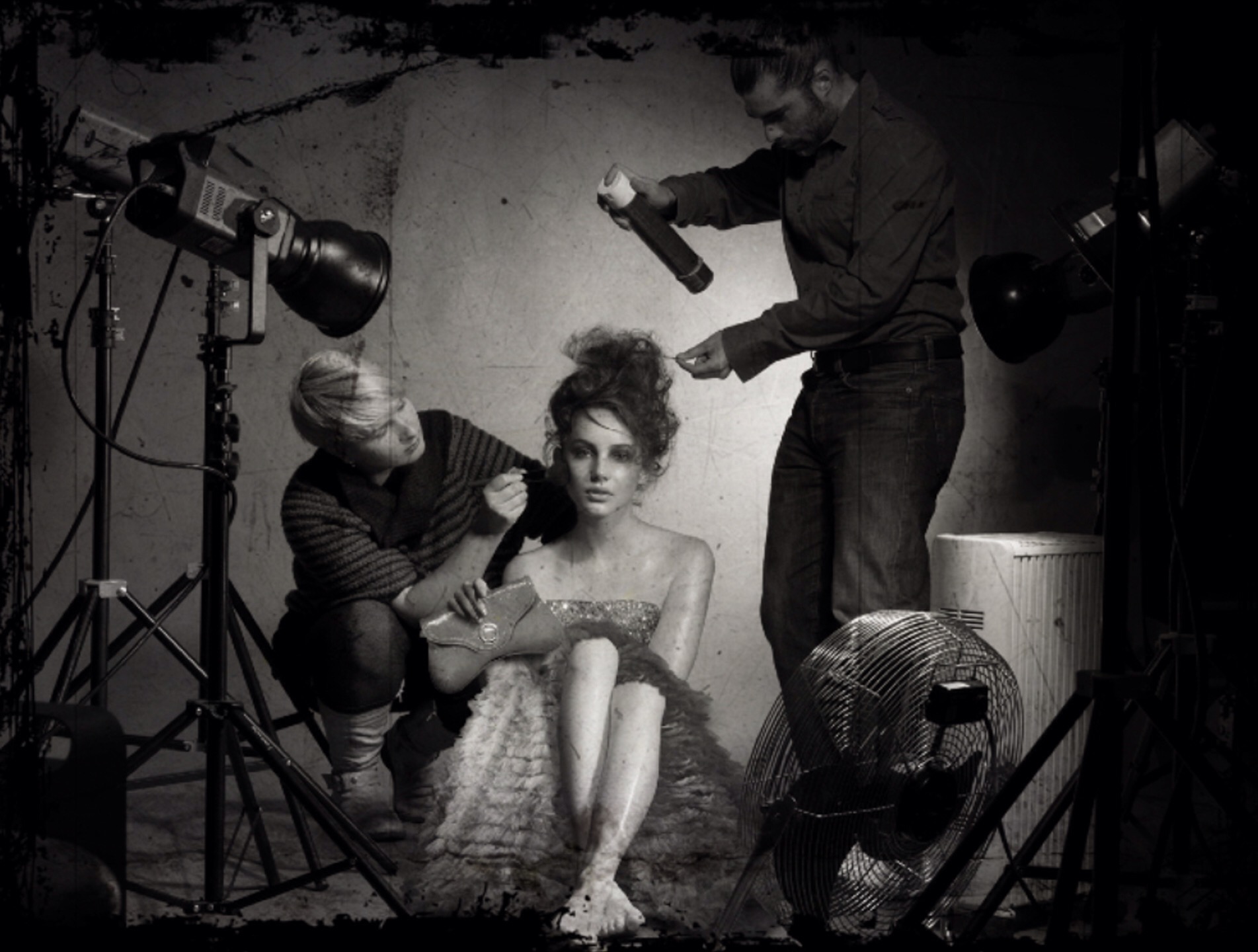
Some studios include professional hair and makeup, some don't. Your Hollywood Portrait highlights a team of makeup artist and hair stylist. That's a meaningful feature for first-timers.
Good hair and makeup for camera is not the same as everyday makeup. Lighting can flatten features. It can pull out shine. It can make skin look different. A pro knows how to prep your face for a shoot so you still look like you, just polished.
Also, hair and makeup time gives you a runway to settle down. You arrive nervous, your heart is going, you're thinking about a thousand things. Sitting down and being taken care of changes your pace. That's part of the service whether people say it out loud or not.
When you review a boudoir photographer's portfolio, don't fall in love with one image. Look for consistency.
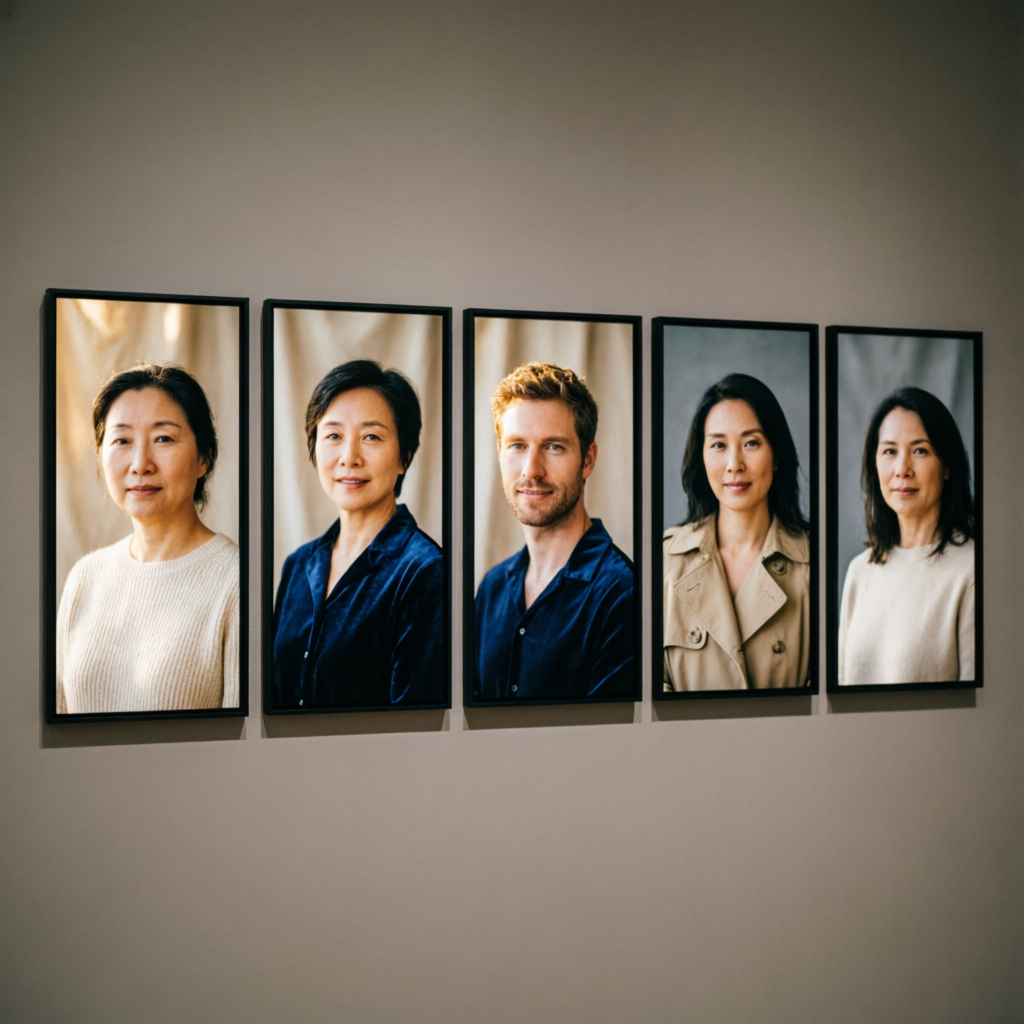
Your Hollywood Portrait leans into Old Hollywood glamour and a "timeless" look. If that's your style, you want to see consistent glam across multiple clients.
A good NYC photographer should be able to describe their style clearly and show that they deliver it reliably.
A lot of websites say "experienced." That word is meaningless unless you ask the right follow-ups. On the Your Hollywood Portrait page, they mention over 20 years of shooting, including editorial experience in Paris and years specializing in New York. That's a specific story. Whether you pick them or someone else, look for specificity.
A photographer who is truly good at boudoir won't get defensive. They'll answer clearly, because they've built a process around these questions.
People shop for boudoir like they're shopping for a mood. The mood matters, but it's not enough. A professional process looks like this:
You talk through comfort level, goals, what you want the images to feel like. Glam, soft, bold, minimal, dramatic. You decide. The photographer should help you translate that into practical choices.
Many studios offer access to gowns, accessories, décor, props. Your Hollywood Portrait calls out access to accessories, props, décor, gowns and more. That's helpful because most clients don't own a closet full of camera-ready pieces. A studio collection can save a session.
It should be guided. Constantly. Not in a controlling way. In a supportive way that keeps things moving and keeps you from spiraling.
You should understand how you'll see your photos, how many images you'll get, how retouching works, and the timeline. If a photographer is vague about deliverables, that's where disappointment lives.
NYC has every price point. Bargain sessions exist. Sometimes they're fine. Sometimes they're rushed, poorly lit, and you're basically paying for a room rental and a camera click. Value is not just cost. It's what you get: privacy, guidance, styling support, experience, and a final product you're actually proud of.
If the photographer's communication style makes you tense, the shoot will be tense. Simple. If you read their words and you feel judged or pressured, walk away. You want someone who respects boundaries and still knows how to lead.
Over-retouched boudoir can look "perfect" in a small thumbnail and strange in real life. If you want timeless, choose editing that keeps skin looking like skin.
This is huge. If it's a shared creative space with people walking around, your comfort drops. Your photos will show it.
Hair and makeup. Wardrobe access. Time length. Number of looks. Retouching. Prints or digitals. All of it should be clear before you book.
If you choose the wrong boudoir photographer, the biggest risk isn't just "bad photos." It's this: You blame yourself.
You think you looked awkward because you're awkward. You think you looked stiff because you're stiff. You think you "can't do boudoir." That's often not true. A lot of the time, the session was missing structure and guidance. Bad process leads to bad experience. Bad experience leads to photos you don't want to look at. Then you avoid doing it again, even with someone better. That's the real cost.
Use this list and you'll cut through most of the noise:
Finding the best boudoir photographer in NYC is less about hunting for a perfect artist and more about choosing a professional who runs a supportive, guided process that fits your comfort level and taste.
A studio like Your Hollywood Portrait positions itself around exactly that: guided sessions, a professional hair and makeup team, a private studio location in Dumbo close to Manhattan, and a glam, timeless aesthetic rooted in experience.
MyMaps:
Google Earth:
View Boudoir Photography New York in a full screen map
Start with their portfolio. Not just one or two strong images — look at full galleries if possible. You want consistency. Skin tones should look natural. Lighting should be flattering but not overly edited. Poses should feel intentional, not awkward.
Also check if they specialize in boudoir. Some wedding or fashion photographers offer it “on the side,” but boudoir requires a different skill set. It’s more personal. More guided. The best photographers know how to direct gently and confidently without making you feel staged.
It matters a lot. Boudoir is less about technical camera knowledge and more about direction, comfort, and body awareness.
An experienced boudoir photographer understands angles, posture, and micro-adjustments. They’ll guide your hands, chin, shoulders, even breathing. They also know how to work with all body types.
Ask how many sessions they’ve done. Ask how long they’ve specialized in boudoir. Experience usually shows in how relaxed their clients look in photos.
Location plays a role, especially in New York. Some photographers shoot in Manhattan loft studios. Others work in Brooklyn brownstones or private rental spaces.
Make sure the space is private and secure. Ask if it’s a shared studio or fully dedicated. Privacy matters in boudoir.
Also consider convenience. NYC traffic and parking can add stress. If you’re already nervous, the last thing you need is rushing across boroughs.
Look closely at their editing style. Is it dark and moody? Bright and airy? Dramatic? Minimal?
Also pay attention to posing style. Some photographers lean into dramatic, high-fashion posing. Others create softer, more natural images.
If you want a luxury, polished look, choose someone whose portfolio reflects that consistently. If you prefer relaxed, candid energy, find that in their work. Don’t assume they can easily switch styles. Most photographers have a signature look.
Ask about:
Session length
Hair and makeup options
Wardrobe guidance
Retouching policy
Image turnaround time
Pricing structure
Also ask how they help first-time clients feel comfortable. Their answer will tell you a lot. A strong boudoir photographer in NYC should have a clear process from booking to final delivery.
NYC pricing is typically higher than other cities. Entry-level packages might start around $400–$800 for session fees only. Full experience packages with albums and products can range from $1,500 to $5,000 or more.
Make sure you understand what’s included. Some photographers charge a session fee and sell images separately. Others offer all-inclusive collections.
The cheapest option isn’t always the best value. In boudoir, quality and comfort are worth the investment.
Trust your reaction during communication. Do they respond professionally? Do they explain things clearly? Do they avoid pressure?
Many top NYC boudoir photographers offer phone or video consultations. Use that opportunity. If you feel rushed or dismissed, move on.
The best boudoir photographer for you isn’t just technically skilled. It’s someone who makes you feel safe, respected, and understood. Comfort shows in the final images.
New York, often called New York City (NYC), is the most populous city in the United States, located at the southern tip of New York State. A global power city, it exerts a significant impact upon commerce, finance, media, art, fashion, research, technology, education, and entertainment. As home to the headquarters of the United Nations, it is an important center for international diplomacy.
The city comprises five boroughs: The Bronx, Brooklyn, Manhattan, Queens, and Staten Island. Each borough is coextensive with a respective county of New York State. With a population of over 8.3 million people distributed across 300.46 square miles, it is one of the world's most densely populated major cities.
Originally inhabited by the Lenape people, the area was explored by Giovanni da Verrazzano in 1524 and later settled by the Dutch in 1624, who named it New Amsterdam. The English seized control in 1664 and renamed it New York after King Charles II granted the lands to his brother, the Duke of York. The city served as the capital of the United States from 1785 until 1790.
New York is renowned for its iconic landmarks. Times Square, the "Crossroads of the World," is a brightly lit hub of the theater district. Central Park provides a vast green oasis in the center of Manhattan. The Statue of Liberty, a gift from France in 1886, greeted millions of immigrants arriving by ship. The city's skyline is defined by world-famous skyscrapers, including the Empire State Building and the new One World Trade Center.
The city is a melting pot of cultures, with more than 800 languages spoken, making it the most linguistically diverse city in the world. It is home to a vibrant arts scene, with institutions like the Metropolitan Museum of Art, the Museum of Modern Art (MoMA), and Broadway theaters. Its extensive public transportation system, anchored by the 24/7 New York City Subway, is the busiest in the Western Hemisphere.